Do Baby Teeth Cavities Need Treatment? 5 Common Myths Answered

Children's Dentistry
Family Dentistry
General Oral Care
Do Baby Teeth Cavities Need Treatment? 5 Common Myths Answered
"Baby teeth will fall out anyway — so what's the point of treating cavities?" This is one of the most common misconceptions parents hold, and one of the most harmful. Untreated cavities in baby teeth don't just cause pain and infection — they can directly affect the healthy development of permanent teeth. Many orthodontic problems in adults can be traced back to dental issues that went untreated in childhood.
This article debunks 5 of the most common myths about children's tooth decay and gives parents practical, everyday tips for protecting their child's smile.
Myth 1: Baby Teeth Will Fall Out Anyway — No Need to Treat Cavities
Fact: Baby tooth cavities can directly affect the health and development of permanent teeth.
Baby teeth are far from disposable. Each one plays an important role:
Space preservation: Baby teeth hold the correct space for the permanent teeth that will follow. If a baby tooth is lost prematurely due to severe decay, neighbouring teeth may drift into the gap — causing the permanent tooth to erupt crooked or crowded, potentially requiring orthodontic treatment.
Chewing and speech: Severe decay affects the ability to chew properly and can hinder speech development — especially the front teeth, which are critical for pronunciation.
Infection risk: Deep cavities can lead to root infections. If the infection spreads to the permanent tooth bud developing beneath, it may affect the structure and quality of that tooth.
Myth 2: Young Children Don't Need to Start Brushing Early
Fact: Oral cleaning should begin as soon as the first baby tooth appears.
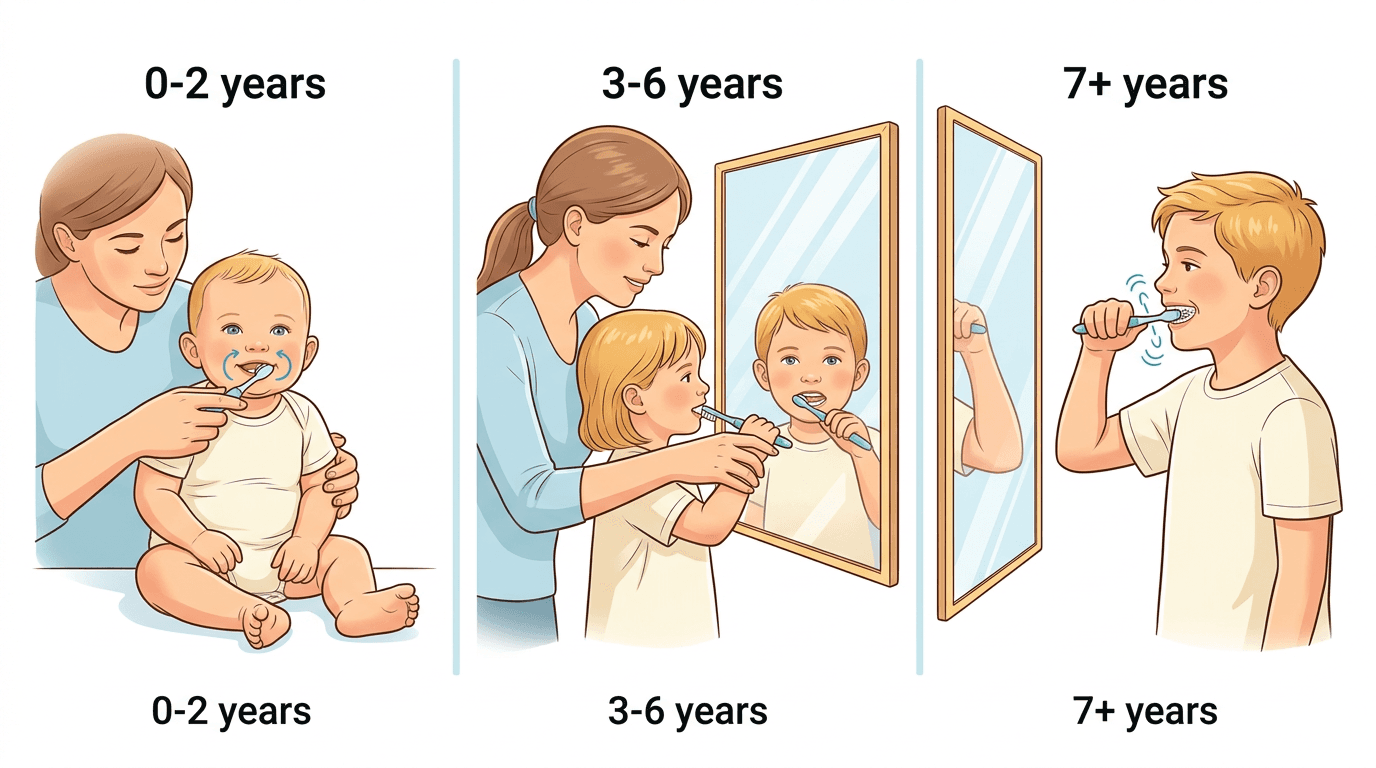
Many parents assume that because babies have so few teeth, brushing isn't necessary. But oral bacteria are present from infancy — and as soon as a tooth erupts, the risk of decay begins. Here's what's recommended at each stage:
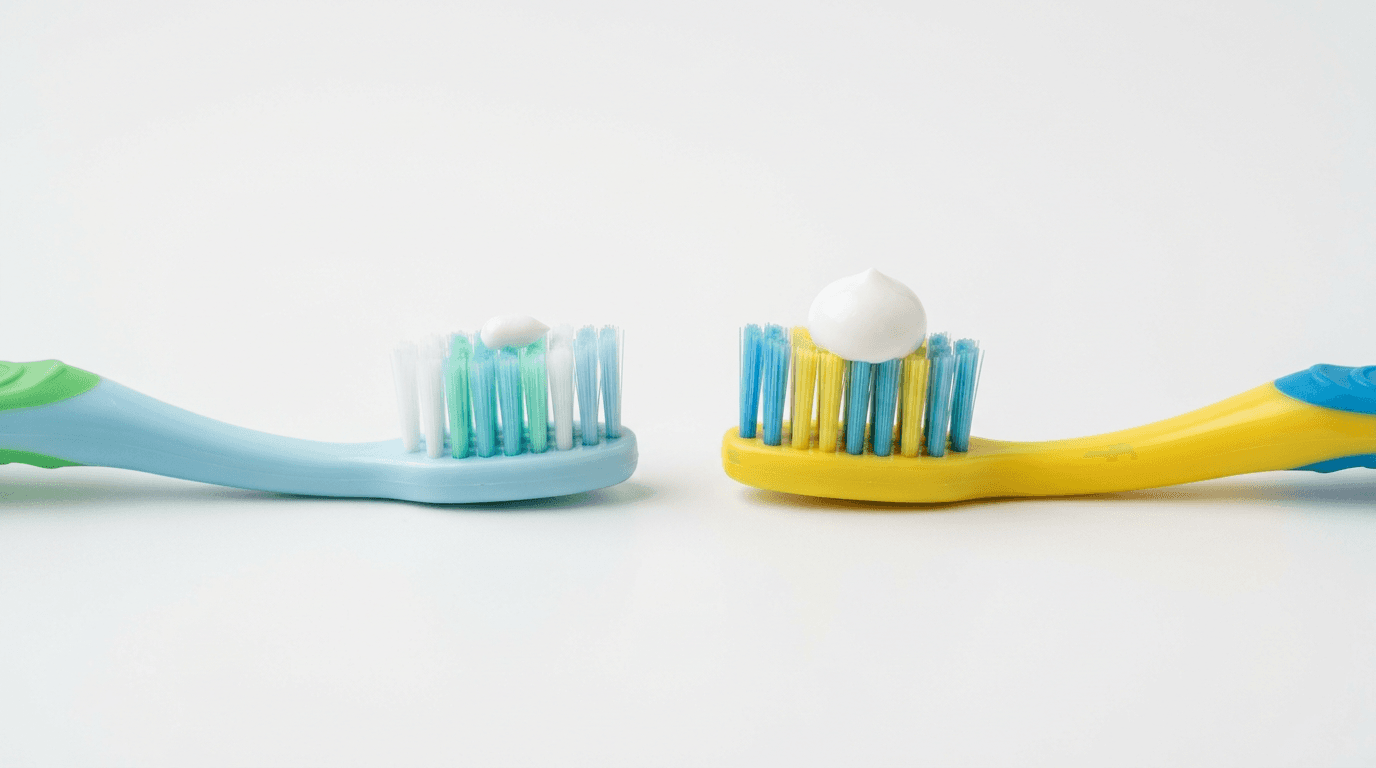
0–2 years: Use a soft damp cloth or silicone finger brush to clean teeth and gums. Use a rice grain-sized amount of fluoride toothpaste.
3–6 years: Switch to a children's soft-bristled toothbrush with a pea-sized amount of fluoride toothpaste. Parents should assist or supervise to ensure thorough cleaning.
7 years and above: Children can gradually brush independently, but parents should still check their technique regularly. This is also the time to introduce flossing.
Brushing twice a day — morning and night — is the single most important habit for preventing tooth decay.
Myth 3: Cavities Are Only Caused by Eating Too Much Sugar
Fact: Cavities result from multiple factors — not just sugar intake.
Cavities form when three conditions exist simultaneously: bacteria, food residue, and time.
The bacterial factor: Streptococcus mutans bacteria convert sugars from food into acid, which erodes the tooth surface.
Frequency matters more than quantity: Frequent snacking throughout the day is more damaging than eating a large amount of sweets in one sitting — because the mouth takes about 30 minutes to return to a neutral pH after each exposure.
Night-feeding risk: Babies who fall asleep without having their mouths cleaned after feeding leave milk pooled around their teeth for hours — creating ideal conditions for "bottle tooth decay", one of the most common causes of early childhood cavities.
Other factors: Tooth structure, saliva production, and genetics also influence cavity risk.
Myth 4: Children Only Need to See a Dentist When a Tooth Hurts
Fact: Early cavities are usually painless.
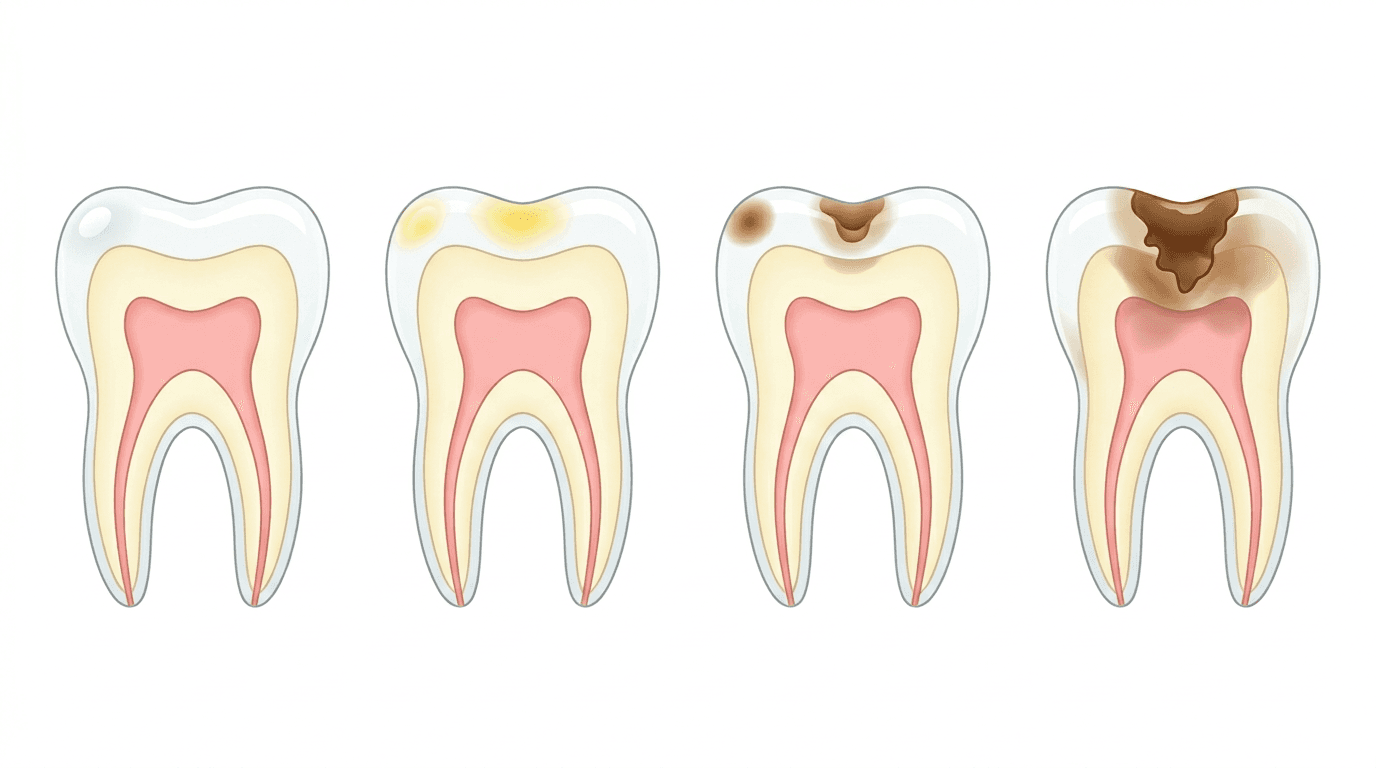
Cavities develop gradually. In the earliest stages, white spots (demineralisation) may appear on the tooth surface — at this point, fluoride treatment can still reverse the process. As the cavity deepens into the dentine layer, sensitivity to hot and cold may develop. By the time a child is in noticeable pain, the decay is often quite advanced — and may require root canal treatment or extraction.
Regular dental check-ups every 6 months allow the dentist to catch and treat cavities early. The American Academy of Pediatric Dentistry recommends a child's first dental visit by age 1, or within 6 months of the first tooth erupting.
Myth 5: Fillings Are Too Painful — Better to Wait for the Baby Tooth to Fall Out
Fact: Modern children's dentistry is gentle and comfortable — and early treatment is far easier than waiting.
Many parents worry that dental treatment will traumatise their child, so they choose to wait. But:
Treating a small cavity early is quick and virtually painless
Delay allows the cavity to grow — eventually requiring more complex treatment (such as root canal)
Severe infections can cause facial swelling, fever, and in extreme cases, hospitalisation
Modern paediatric dentistry uses a range of techniques to help children feel at ease, including behaviour guidance and local anaesthesia
Early treatment is generally simpler. Delay may increase the complexity of treatment.
Practical Tips for Parents
These daily habits can significantly reduce your child's risk of tooth decay:
Brushing routine: Brush twice daily with age-appropriate fluoride toothpaste, morning and night
Diet management: Limit the frequency of snacks and sugary drinks; nothing to eat after the final brush at night
Regular check-ups: Dental examinations every 6 months for early detection
Professional prevention: Fluoride treatments strengthen tooth enamel and improve cavity resistance
Positive experiences: Build a positive association with the dentist from an early age to prevent dental anxiety
Frequently Asked Questions
Do all baby tooth cavities need to be filled?
It depends on the severity and location of the decay. If caught at the very earliest stage (white spot lesion), fluoride treatment and improved oral hygiene may be enough to reverse it. Once a visible cavity has formed, filling it promptly is recommended to prevent further deterioration.
When should children start using floss?
Once a child's teeth begin to fit closely together with narrower gaps (usually around age 2–3), flossing can begin. Parents should assist at first; around age 7–8, when hand coordination improves, children can learn to floss independently.
Is fluoride treatment safe for children? How often should it be done?
Fluoride varnish is a safe and widely recommended method of cavity prevention for children. The amount applied is very small and poses no health risk. It is generally recommended every 6 months, or every 3 months for children with a higher risk of decay.
How can I help my child feel comfortable at the dentist?
Start regular check-ups early so your child becomes familiar with the dental environment. Avoid using words like "injection" or "pull out" around your child. Choosing a dentist experienced in paediatric care is also important — they are skilled at communicating in a friendly, reassuring way with young patients.
My child's baby tooth is very badly decayed — is it still worth treating?
Yes. Even if the baby tooth is close to falling out naturally, a severe infection can spread to surrounding tissue or affect the developing permanent tooth below. Your dentist will consider your child's age, the expected timing of the permanent tooth's eruption, and the extent of the infection to recommend the most appropriate treatment plan.
A child's baby teeth have a direct impact on their ability to eat, speak, and feel confident — as well as on the healthy development of their permanent teeth. We hope this article helps parents move past common misconceptions and build good oral care habits from an early age.
If you notice any discolouration, spots, or anything unusual on your child's teeth, you are welcome to contact our clinic for a consultation.

Book an Appointment
Schedule your visit now for personalized care in a comfortable environment. Your journey to a brighter, healthier smile begins here.