Understanding Dental Implants: A Complete Guide for Hong Kong Patients
Adult Dentistry
Restorative Dentistry
General Oral Care
Understanding Dental Implants: A Complete Guide for Hong Kong Patients
Losing a tooth — whether from an accident, decay, or gum disease — can affect chewing function and daily speech. For patients who need tooth replacement, dental implants are one of several options available.
But what exactly are dental implants? What does the procedure involve? And are they right for you? This guide provides a comprehensive overview.
What Are Dental Implants?
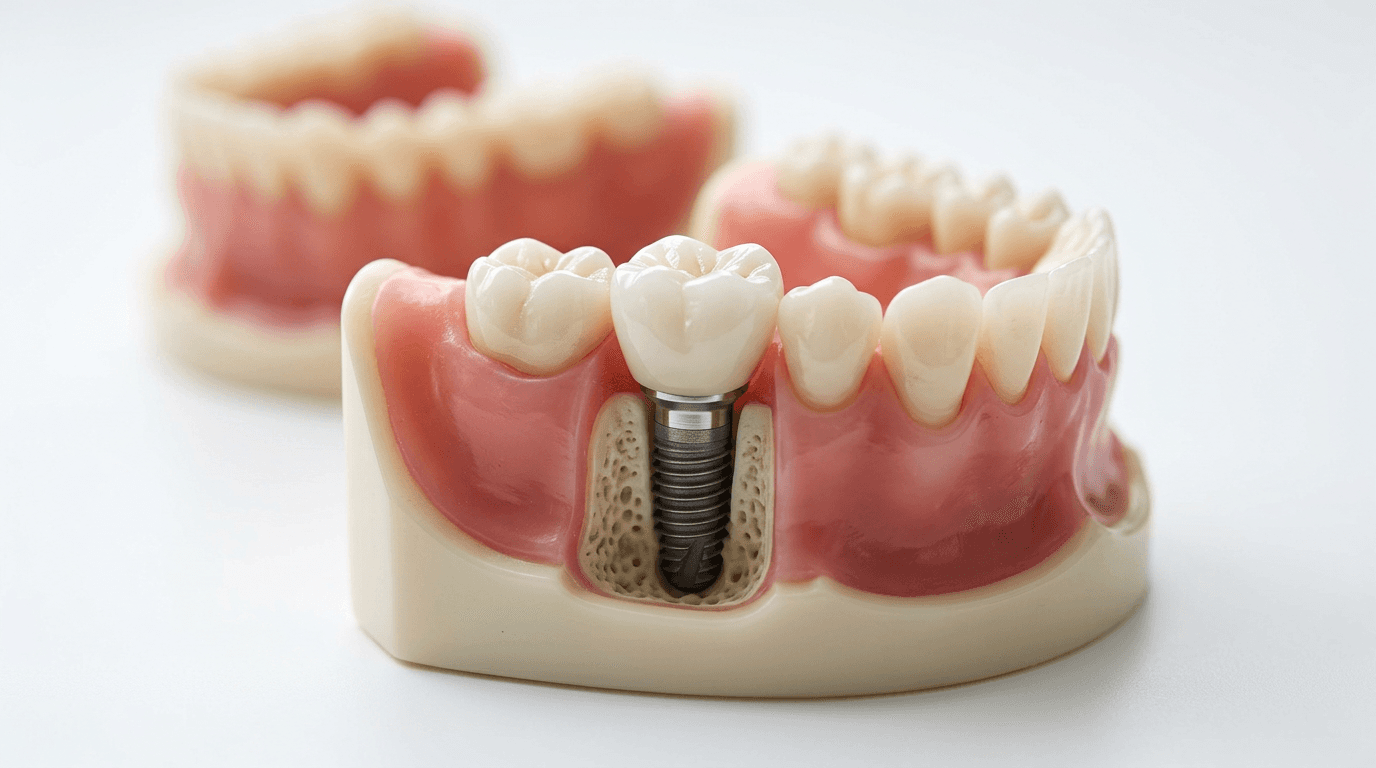
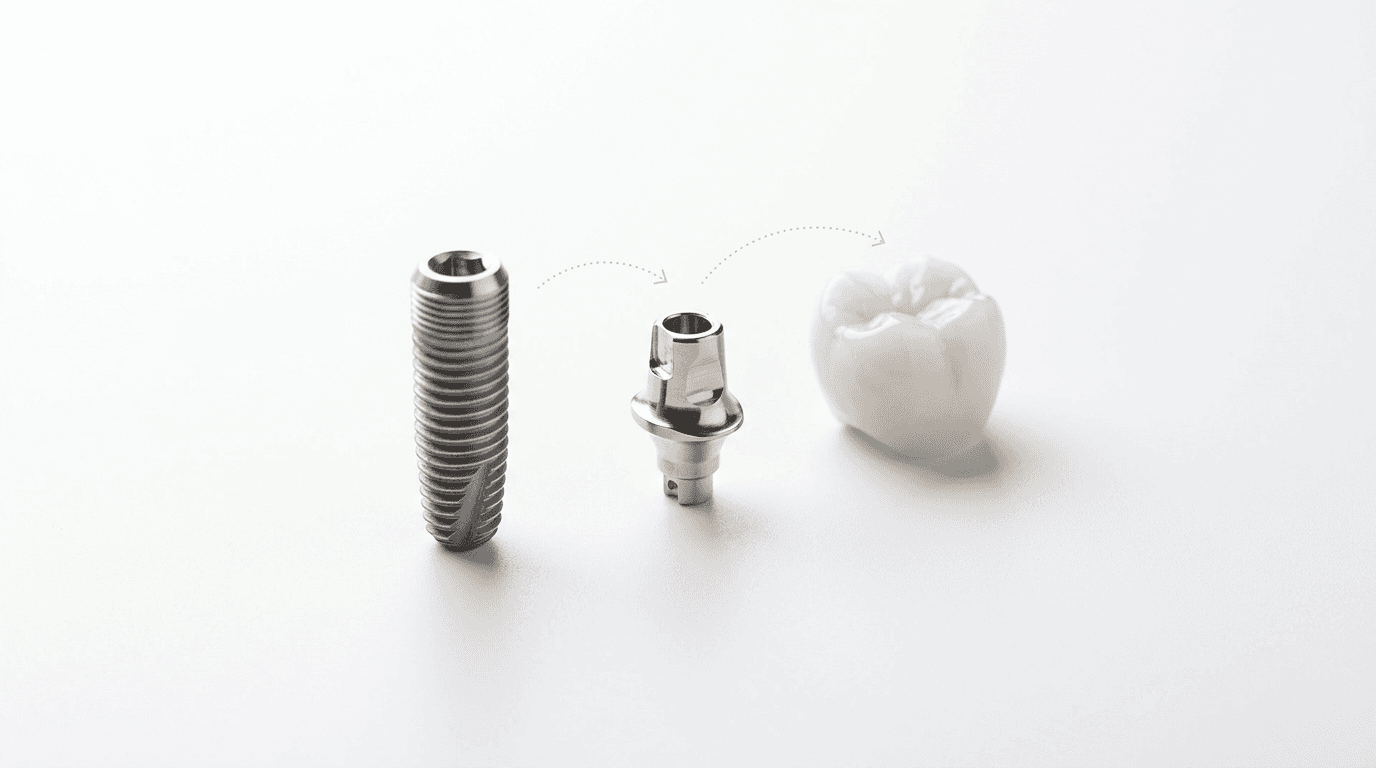
A dental implant is a small titanium post that is surgically placed into the jawbone to serve as an artificial tooth root. Once the implant fuses with the bone — a process called osseointegration — an abutment and custom-made crown are attached on top.
The result is a replacement tooth that looks, feels, and functions like a natural tooth.
Dental implants are self-supporting and do not rely on adjacent teeth for support. Compared with removable dentures, implants are fixed in the jawbone and offer greater stability. Each tooth replacement option has its own advantages and limitations, and suitability varies from person to person.
Who Is a Good Candidate for Dental Implants?
Dental implants are suitable for most adults with missing teeth, but several factors may affect eligibility:
Adequate jawbone density: The implant needs a solid foundation. If bone loss has occurred, a bone grafting procedure may be needed first.
Healthy gums: Active gum disease must be treated before implant placement. Periodontal health is essential for long-term implant success.
Overall health: Poorly controlled diabetes or heavy smoking may affect healing and implant integration.
Completed jaw growth: Implants are generally recommended for adults whose jaws have fully developed.
During your initial consultation, the dentist will assess your oral health, take detailed imaging (such as X-rays or CBCT scans), and discuss whether implants are the best option for you.
The Implant Procedure: Step by Step
The dental implant process typically takes place in several stages over a period of months:
Step 1: Consultation and Treatment Planning
The dentist performs a comprehensive examination, including digital imaging, to evaluate bone quality and plan the optimal implant position.
Step 2: Implant Placement
The titanium implant is surgically placed into the jawbone. The procedure is usually performed under local anaesthesia, and most patients report it is more comfortable than expected.
Step 3: Healing Period (Osseointegration)
Over the next 3 to 6 months, the implant gradually fuses with the surrounding bone. During this time, a temporary restoration may be provided.
Step 4: Abutment and Crown Placement
Once the implant has fully integrated, the abutment is connected and a custom porcelain crown is fitted — matched to your natural teeth in colour, shape, and size.
From start to finish, the entire process typically takes 4 to 8 months, depending on individual healing and whether preparatory procedures (such as bone grafting) are needed.

Recovery and Aftercare
Most patients experience only mild discomfort after implant surgery, manageable with over-the-counter pain relief. General care guidelines include:
First 48 hours: Apply ice packs to reduce swelling. Eat soft foods and avoid chewing near the surgical site.
First week: Avoid strenuous exercise. Gently rinse with warm salt water after meals.
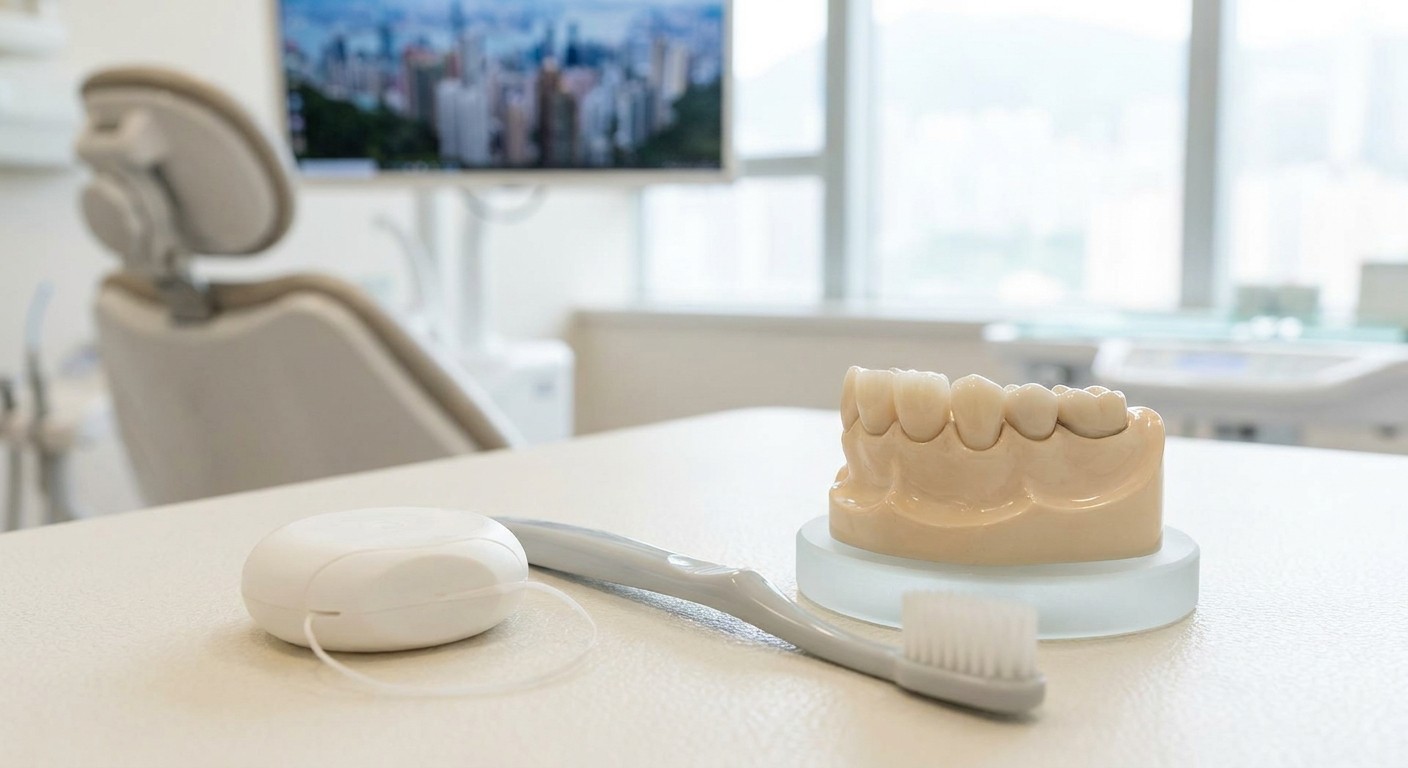
Ongoing care: Brush and floss as you would with natural teeth. Regular dental check-ups and professional cleanings are essential for long-term success.
The lifespan of dental implants varies depending on individual oral hygiene, overall health, and regular dental maintenance. Consistent follow-up care is key to long-term stability.
Comparing Dental Implants with Other Tooth Replacement Options
Dental Implants | Dental Bridges | Removable Dentures | |
|---|---|---|---|
Durability | According to clinical literature, can last long-term with proper care | 7–15 years | 5–10 years (may require adjustments) |
Appearance | Close to natural teeth | Good | May appear less natural |
Bone Preservation | Helps stimulate bone, may slow bone loss | Does not prevent bone loss | Does not prevent bone loss |
Impact on Adjacent Teeth | No impact on neighbouring teeth | Requires grinding down adjacent teeth | No impact |
Comfort | Fixed; feels close to a natural tooth | Fixed | Removable; may slip or irritate gums |
Cost | Higher; requires surgery and longer treatment period | Moderate | Lower |
Treatment Duration | 4–8 months (including healing) | 2–4 weeks | Several weeks |
Daily Care | Standard brushing and flossing | Special floss needed under the bridge | Must be removed daily for cleaning |
Each option has its advantages and limitations, depending on a patient's oral health, budget, and personal needs. The information above is for general reference only — actual outcomes vary from person to person. We recommend discussing your options in detail with your dentist.
Frequently Asked Questions
Is the implant procedure painful?
Most patients are pleasantly surprised by how comfortable the procedure is. Dental implant surgery is performed under local anaesthesia, and many patients compare the experience to having a filling. Post-operative discomfort is usually mild and manageable with standard pain relief.
How long do dental implants last?
The lifespan of a dental implant depends on several factors, including oral hygiene, regular dental visits, overall health, and individual habits. The crown on top may need replacement over time due to normal wear. Your dentist will discuss expected outcomes based on your specific situation.
What is the success rate of dental implants?
According to international dental literature, dental implants generally have a high long-term success rate. Actual outcomes depend on individual health, oral hygiene habits, and the treatment plan. Your dentist can provide a more personalised assessment during the consultation.
Are there any risks or complications?
As with any surgical procedure, there are minor risks including infection, swelling, or implant failure. However, these complications are uncommon and can usually be managed effectively. Choosing an experienced dentist significantly reduces the risk of complications.
Can I get an implant if I have been missing a tooth for a long time?
In many cases, yes. However, prolonged tooth loss often leads to bone resorption (shrinkage). A bone grafting procedure may be needed to rebuild sufficient bone volume before implant placement. Your dentist will assess your bone condition during the consultation.
Dental implants are one of several options available for replacing missing teeth. If you are considering tooth replacement, you are welcome to contact our clinic for a consultation to discuss which approach may be most suitable for your individual situation.

Book an Appointment
Schedule your visit now for personalized care in a comfortable environment. Your journey to a brighter, healthier smile begins here.