What to Do When Your Child Knocks Out a Tooth — A First Aid Guide for Parents
Children's Dentistry
Family Dentistry
General Oral Care
What to Do When Your Child Knocks Out a Tooth — A First Aid Guide for Parents
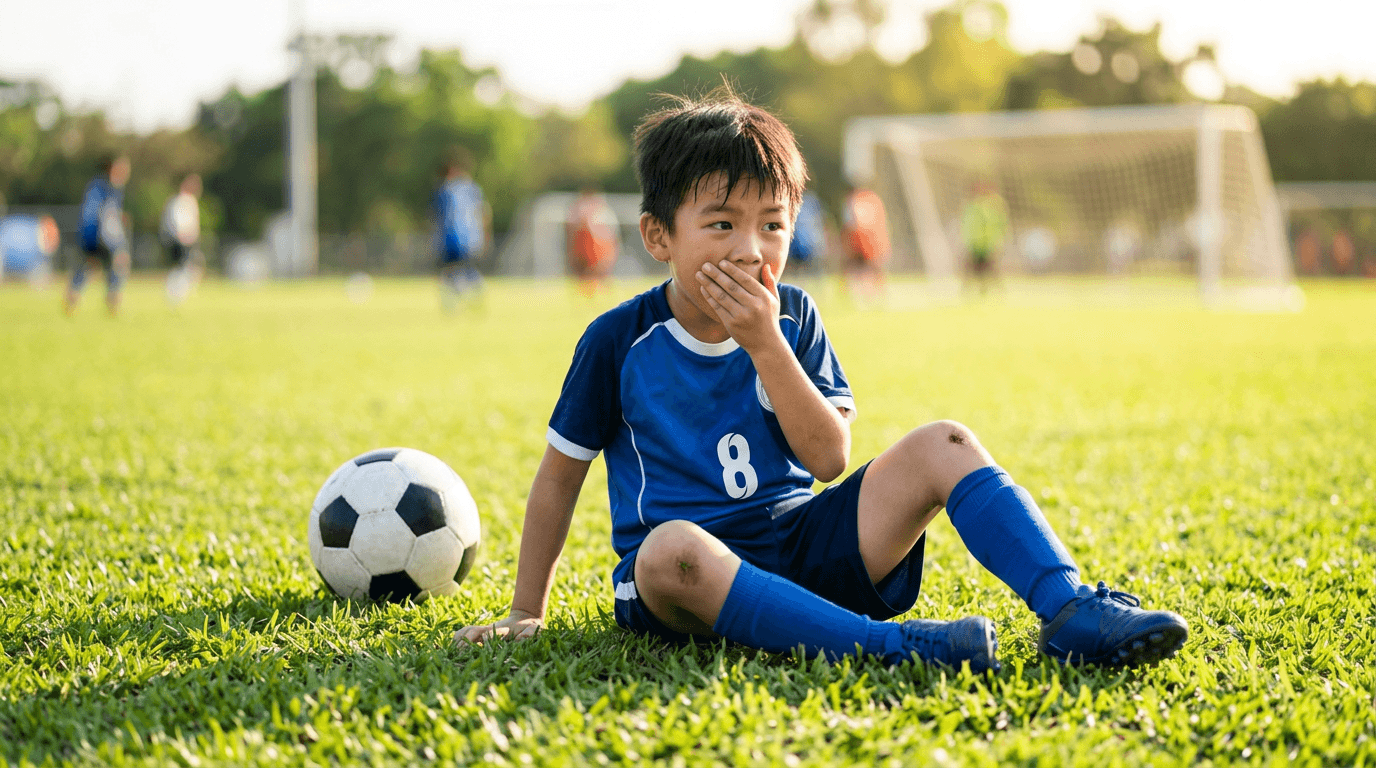
Children fall, collide, and tumble — whether on the playground, at the park, or at home. Dental injuries are far more common than many parents realise. When a child chips a tooth or has one knocked out completely, the panic is natural. The good news is that prompt and correct action can make a significant difference to the outcome — and may even determine whether the tooth can be saved.
This guide gives parents a practical reference for handling children's dental trauma, covering common injury types, immediate first aid steps, the differences between baby and permanent tooth treatment, and prevention tips.
Common Types of Children's Dental Injuries
Dental trauma in children generally falls into the following categories:
Loose tooth (subluxation): The tooth is knocked loose but remains in the socket.
Displaced tooth (luxation): The tooth is pushed out of its normal position — inward, outward, or to the side.
Chipped or fractured tooth: The tooth develops a crack or breaks partially. In severe cases, the pulp (nerve) may be exposed.
Completely knocked-out tooth (avulsion): The entire tooth is dislodged from the socket — this is the most urgent situation.
Importantly, the treatment for baby teeth and permanent teeth is very different. Parents should first identify which type of tooth is involved before taking action.
Immediate First Aid When a Tooth Is Chipped or Knocked Out
If your child has a dental injury, follow these steps:
Step 1: Stay Calm and Reassure Your Child
Your child will naturally be frightened and upset. Staying calm will help settle their emotions and allow you to assess the situation more effectively.
Step 2: Check the Injury and Control Bleeding
Gently press a clean piece of gauze or damp cloth over the bleeding area. Having the child bite softly on the gauze can help stop the bleeding. Also check for any other wounds inside the mouth.
Step 3: Find the Knocked-Out Tooth or Fragments
If the tooth has been completely knocked out or broken, try to locate the tooth or any pieces and bring them to the dental clinic.
Step 4: Store a Knocked-Out Permanent Tooth Correctly
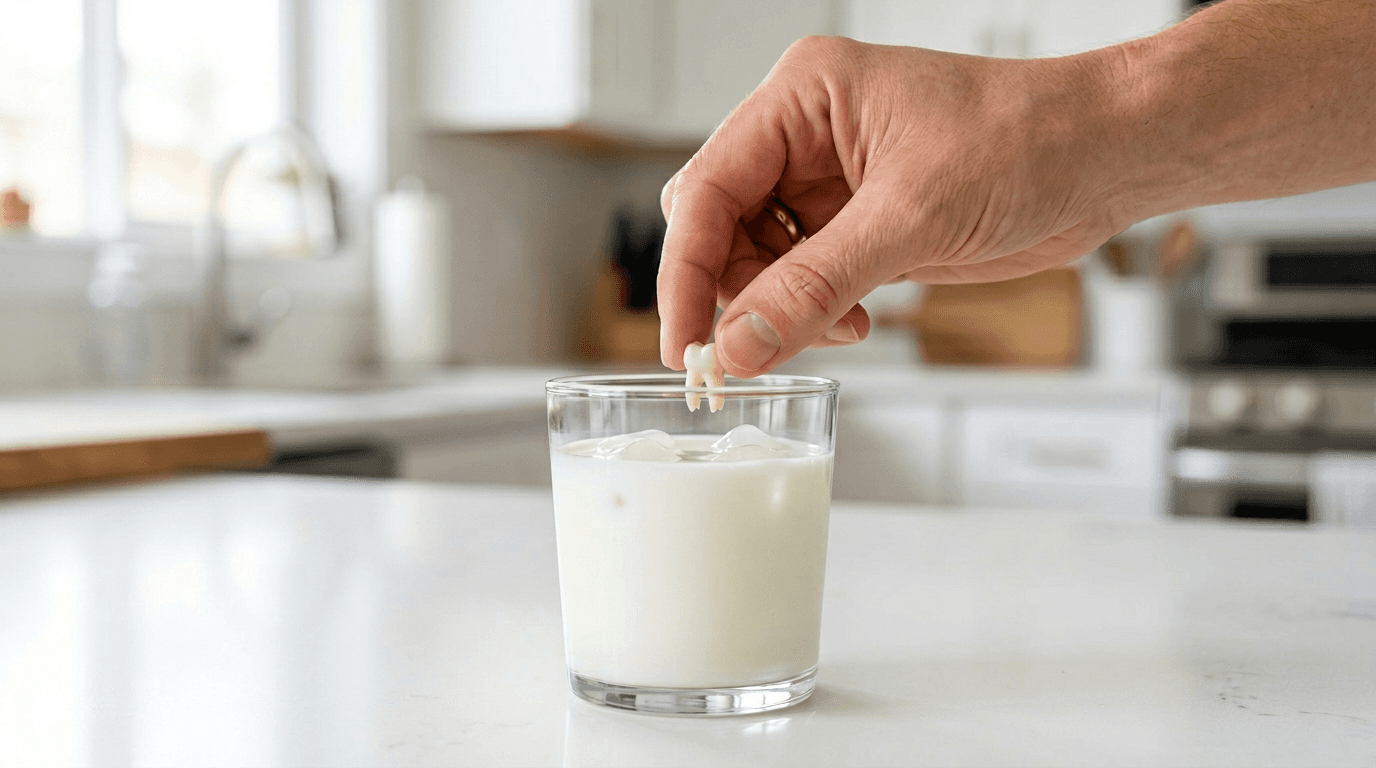
If the knocked-out tooth is a permanent tooth, proper storage is critical:
Hold the tooth only by the crown (the white part) — never touch the root
Do not scrub or brush the root surface
Best storage method: place the tooth in cold milk or saline solution
If neither is available, an older child may hold the tooth inside their cheek
Never wrap the tooth in tissue or let it dry out
Step 5: Seek Emergency Dental Care — The Golden 30 Minutes
For a knocked-out permanent tooth, seeing a dentist within 30 minutes gives the best chance of successful re-implantation. The longer the delay, the lower the success rate. Even if the ideal window has passed, bring the tooth and get to a dentist as soon as possible.
Common Mistakes to Avoid:
❌ Wrapping the tooth in tissue or cotton wool (causes the root tissue to dry out and die)
❌ Holding the tooth by the root
❌ Trying to reinsert a knocked-out baby tooth back into the socket
❌ Scrubbing or rinsing the tooth aggressively </aside>
Baby Teeth vs. Permanent Teeth: What's the Difference in Treatment?
Baby Tooth | Permanent Tooth | |
|---|---|---|
Complete avulsion | Generally not re-implanted — doing so may damage the developing permanent tooth underneath | Should be re-implanted as soon as possible — aim for the golden 30-minute window |
Fracture | Requires dental assessment to check for impact on the permanent tooth bud | Depending on severity, may require restoration or root canal treatment |
Loosening | Mild loosening may be monitored; severe cases require professional care | Must be assessed by a dentist; splinting may be needed |
Long-term follow-up | Monitor eruption and alignment of the permanent tooth | Long-term monitoring of tooth vitality and root development |
Even if the injured tooth is a baby tooth, a dental check is still recommended, as trauma may affect the developing permanent tooth beneath the gumline.

When to Seek Immediate Dental Care
Please seek prompt dental attention if:
Bleeding does not stop after 10 minutes of pressure
A permanent tooth has been completely knocked out
A tooth is visibly displaced or pushed into the gum
The child cannot bite normally (teeth do not meet properly)
There is significant facial swelling
The child is in severe or persistent pain
A fractured tooth shows pink or red tissue (possible pulp exposure)
How to Prevent Sports-Related Dental Injuries
Prevention is always better than cure. The following measures can significantly reduce the risk of dental trauma.
Sports Mouthguards
A mouthguard is the most effective way to prevent sports-related dental injuries. Mouthguards are recommended for the following activities:
Rugby, football, basketball, hockey
Martial arts, boxing, taekwondo
Skateboarding, competitive cycling
Gymnastics
Mouthguards come in three main types: stock (ready-made), boil-and-bite, and custom-fitted. A custom mouthguard made by a dentist based on your child's dental impressions offers the best fit and protection.

General Prevention Tips
Teach children to be safety-conscious when running and playing
Add corner guards to sharp furniture edges at home
Schedule regular dental check-ups to identify and address issues early
Frequently Asked Questions
My child's baby tooth was knocked out — do we still need to see a dentist?
Yes. Even though baby teeth are generally not re-implanted, a dentist needs to examine the socket and surrounding tissue for damage, and assess any potential impact on the developing permanent tooth below.
The tooth chipped but there's no bleeding — does it still need treatment?
Yes. Even without visible bleeding, there may be hairline cracks or pulp damage that aren't immediately apparent. It is advisable to see a dentist as soon as possible for a thorough examination.
Can a knocked-out tooth be put back in?
If a permanent tooth is completely knocked out and stored correctly, re-implantation has a good success rate when done promptly. Baby teeth are generally not re-implanted. Any broken tooth fragments should also be brought to the clinic — the dentist will assess whether bonding repair is possible.
What age can children start wearing sports mouthguards?
Generally, mouthguards can be used as soon as a child starts participating in contact sports. Custom-fitted mouthguards work best from around age 7 when permanent teeth begin to erupt. Speak to your dentist for personalised advice.
How often does my child need follow-up appointments after a dental injury?
Follow-up frequency depends on the type and severity of the injury. Typically, the first review is 1–2 weeks after the injury, followed by check-ins at 1 month, 3 months, 6 months, and 1 year. Your dentist will create an individualised monitoring plan.
Dental trauma is one of the most common dental emergencies parents face. Knowing what to do can make a real difference to your child's outcome. The key is simple: stay calm, store the tooth correctly, and get to a dentist quickly.
We recommend building a habit of regular dental check-ups for your child and ensuring they wear an appropriate mouthguard during sports. If you have any questions, you are welcome to contact our clinic for a consultation.

Book an Appointment
Schedule your visit now for personalized care in a comfortable environment. Your journey to a brighter, healthier smile begins here.