When Should Your Child's First Dental Visit Be? Best Timing & Preparation Tips

Children's Dentistry
Family Dentistry
General Oral Care
When Should Your Child's First Dental Visit Be? Best Timing & Preparation Tips
"When should I first take my child to the dentist?" It's one of the most frequently asked dental questions among parents. Many families wait until their child complains of toothache or shows a visible problem before booking that first appointment — but by then, the best window for prevention may have already passed.
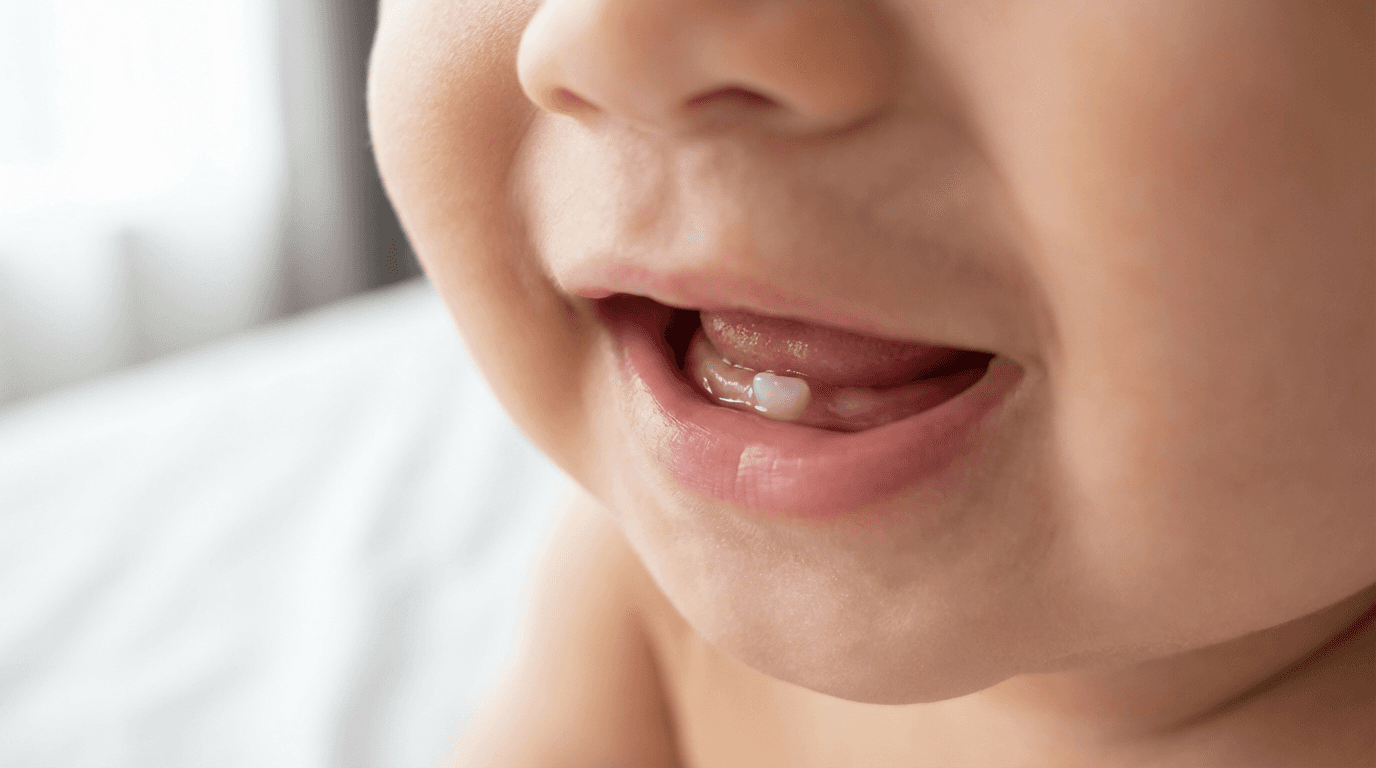
According to the American Academy of Pediatric Dentistry (AAPD) and other leading international dental organisations, a child should have their first dental visit by age 1 or within 6 months of their first tooth erupting. In this article, the team at Dr. Teri Yung Dental Central in Central, Hong Kong walks you through the ideal timing, what happens during the first check-up, and how to help your child build a positive relationship with dental care.
Why Is a Dental Visit Before Age 1 Recommended?
Many parents wonder why their baby — who may only have a few teeth — needs to see a dentist at all. The truth is, early dental visits are not just about treatment; they are primarily about prevention.
The Core Benefits of Early Check-Ups
Catch problems early: Early childhood caries (also known as "bottle caries") can develop soon after teeth erupt. A dentist can spot early signs and intervene before they worsen.
Assess oral development: The dentist will check the tooth eruption sequence, jaw development, tongue-tie, and other structural factors.
Build preventive habits: The first visit is an ideal opportunity for parents to learn correct brushing techniques, fluoride recommendations, and dietary guidance.
Reduce future fear: Children who begin dental visits early become familiar with the clinical environment and are far less likely to develop dental anxiety later in life.
💡International Guidelines at a Glance:
American Academy of Pediatric Dentistry (AAPD): By age 1 or within 6 months of the first tooth
American Dental Association (ADA): As soon as the first tooth appears
UK National Health Service (NHS): Encourages bringing babies to familiarise them with the dental environment
Hong Kong Department of Health: Recommends oral check-ups from around age 1
What Are the Risks of Waiting Until There's a Problem?
Delaying the first dental visit can lead to a number of consequences:
Rapid decay progression: Early childhood caries can advance quickly — from a shallow cavity to pulp infection within months. Once root canal treatment or extraction is needed, the child's discomfort and treatment complexity increase significantly.
Uncorrected oral habits: Habits such as falling asleep with a bottle, prolonged dummy use, or a sugar-heavy diet need to be identified and addressed early to reduce caries risk.
Missed developmental windows: Certain bite problems or structural issues (such as tongue-tie) respond best to early intervention.
Increased dental anxiety: If a child's first dental experience is a pain-driven emergency visit, it can create a lasting negative association that affects future cooperation.
What Happens During the First Dental Visit?
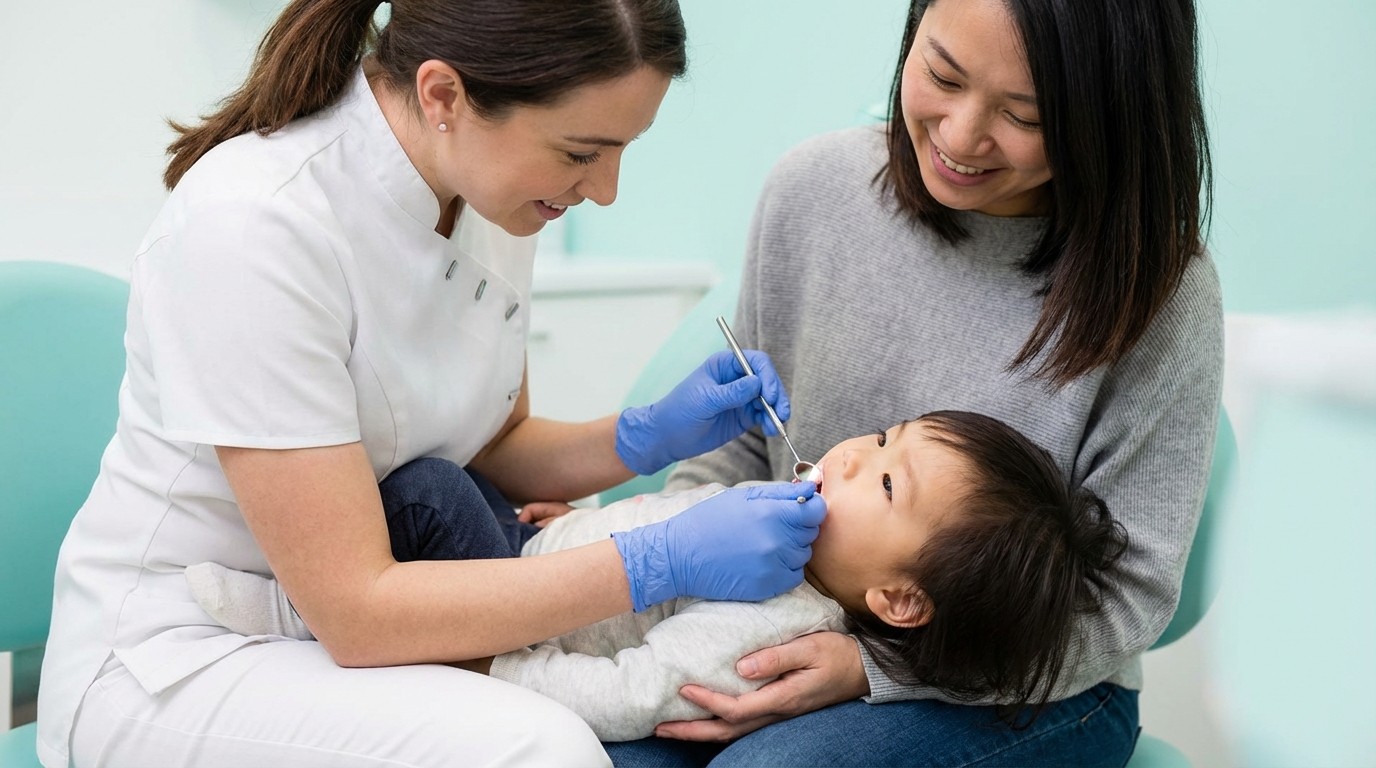
Parents need not worry that the first appointment will be complex or distressing. A child's initial dental check-up is usually simple and relaxed:
The Check-Up Process
Oral examination: The dentist gently examines the erupted teeth, gums, jaws, and oral tissues, looking for early signs of decay or developmental concerns.
Cleaning demonstration: The dentist or hygienist may perform a gentle cleaning and show parents the correct brushing technique for their child's age.
Fluoride assessment: Depending on the situation, the dentist may recommend fluoride toothpaste or a professional fluoride application.
Feeding and diet advice: Guidance on bottle use, sugary foods, drinking habits, and snacking patterns.
Parent Q&A: This is the perfect time for parents to ask about teething discomfort, thumb-sucking, when to start flossing, or any other concerns.
⏱️ The entire visit typically takes just 15–30 minutes, and for very young children, the examination is often performed with the child sitting on the parent's lap (the "knee-to-knee" technique), which keeps them feeling safe and secure.
How to Prepare Your Child for Their First Dental Visit
Good preparation can turn the first visit into a positive experience:
Before the Appointment
Keep it positive: Talk about the dentist in a cheerful, casual tone. Avoid words like "pain", "needle", or "pull out".
Role-play at home: Use a toy toothbrush to "examine" a stuffed animal's teeth, so the child becomes familiar with the process.
Read together: Many children's picture books about visiting the dentist are available — reading one beforehand can ease anxiety.
Be honest but simple: Try saying "the dentist will count how many teeth you have" rather than over-explaining procedures.
On the Day
Schedule the appointment at a time when your child is well-rested and not hungry
Bring a favourite small toy or comfort item
Stay calm yourself — children pick up on parental anxiety
Praise your child's bravery afterwards
Common Mistakes Parents Should Avoid:
❌ Using "I'll take you to the dentist" as a punishment or threat
❌ Sharing your own negative dental experiences in front of the child
❌ Promising "it definitely won't hurt" — if there's any discomfort, trust is broken
❌ Scheduling complex treatment for the very first visit </aside>

Age-Specific Dental Care Guide
Children have different oral care needs at each stage of development:
Age Group | Oral Development | Care Priorities |
|---|---|---|
0–1 year | First baby tooth erupts around 6 months | Clean gums and new teeth daily with gauze or a finger brush; avoid bottle-feeding to sleep; schedule the first dental visit |
1–3 years | Baby teeth gradually fill in (20 total) | Start using a rice-grain-sized amount of fluoride toothpaste; establish twice-daily brushing; visit the dentist every 6 months |
3–6 years | Full primary dentition; early bite issues may appear | Increase toothpaste to pea-sized; begin learning to floss; consider fissure sealants for molars |
6–12 years | Mixed dentition: baby teeth fall out, permanent teeth erupt | Monitor permanent tooth alignment; protect newly erupted first molars; assess need for early orthodontic intervention |
Choosing the Right Dentist for Your Child
Selecting the right dental professional can make the experience much smoother:
Qualifications: Prioritise dentists with paediatric dental training or extensive experience with young patients.
Clinic environment: A colourful waiting area with toys, books, or cartoons helps children feel at ease.
Communication style: A good paediatric dentist explains procedures in child-friendly language and shows patience and warmth.
Parent involvement: The clinic should welcome parents into the treatment room, especially for a young child's first visit.
Frequently Asked Questions
My baby only has one or two teeth — do they really need a dental visit?
Yes. Even with just one or two teeth, a dentist can assess tooth and gum health, evaluate oral development, and teach parents the correct cleaning techniques. Early prevention can help avoid bigger problems down the road.
My child is scared of the dentist — what can I do?
Dental anxiety is very common in children. Start with a simple check-up and let your child become familiar with the environment gradually. Preparation at home through role-play and picture books can make a big difference. Choosing an experienced paediatric dentist will also significantly improve the experience.
Will the first visit include X-rays?
Not necessarily. The first appointment usually focuses on a visual oral examination. The dentist will decide whether X-rays are needed based on the child's age, caries risk, and level of cooperation. If X-rays are required, modern paediatric dental radiographs use very low radiation doses.
At what age can children brush their teeth on their own?
It is generally recommended that parents assist with or supervise brushing until at least age 7–8. While children aged 3–4 can begin holding a toothbrush, their fine motor skills are not yet developed enough to clean all tooth surfaces effectively.
Baby teeth will fall out anyway — does it matter if they get cavities?
This is a common misconception. Cavities in baby teeth can cause pain and infection, and may also affect the development and eruption of the permanent teeth beneath them. Baby teeth play important roles in maintaining space, supporting chewing, and aiding speech development — they should not be neglected.
Taking your child to the dentist doesn't have to wait until something goes wrong. Starting early and maintaining regular visits is the most effective strategy for protecting your child's oral health. The experience of the first dental visit can shape your child's attitude towards dental care for years to come — it's worth preparing thoughtfully.
If you have any questions about your child's oral health or would like to find out more about arranging a first oral check-up for your little one, please feel free to call or WhatsApp Dr. Teri Yung Dental Central for details and appointment arrangements.

Book an Appointment
Schedule your visit now for personalized care in a comfortable environment. Your journey to a brighter, healthier smile begins here.