
How to Care for Black Triangle Restorations: Cleaning, Staining and Reviews
Adult Dentistry
Restoration Aftercare
Restorative Dentistry
How to Care for Black Triangle Restorations: Cleaning, Staining and Reviews
After a Bioclear or composite black triangle restoration, the goal is not to avoid the area completely. You should clean between the teeth with suitable tools, avoid unnecessary biting forces and monitor changes such as floss catching, roughness, chipping or persistent gum bleeding. Good aftercare helps keep the restoration cleansable, but it cannot guarantee that composite will never stain or wear.
Materials, restoration size and bite forces vary from person to person, so follow the instructions given by your dentist. If gum recession or periodontal disease was present before treatment, ongoing gum disease care may still be needed because reshaping the tooth does not stabilise the supporting tissues by itself.
What Should You Notice During the First Few Days?
The dentist will normally check the contact area, bite and passage of floss before treatment is completed. You can usually continue oral hygiene, but any specific advice related to the bonding procedure, gum condition or additional treatment should take priority.
Watch for:
one tooth or restoration contacting first when you bite
floss failing to pass through the contact
a sharp or rough edge catching your tongue
gum discomfort that becomes worse rather than settling
food repeatedly catching in exactly the same area
Do not try to file or adjust composite at home. If the bite feels clearly uneven or an edge feels sharp, arrange a routine dental check-up.
How Should You Use Floss and Interdental Tools?
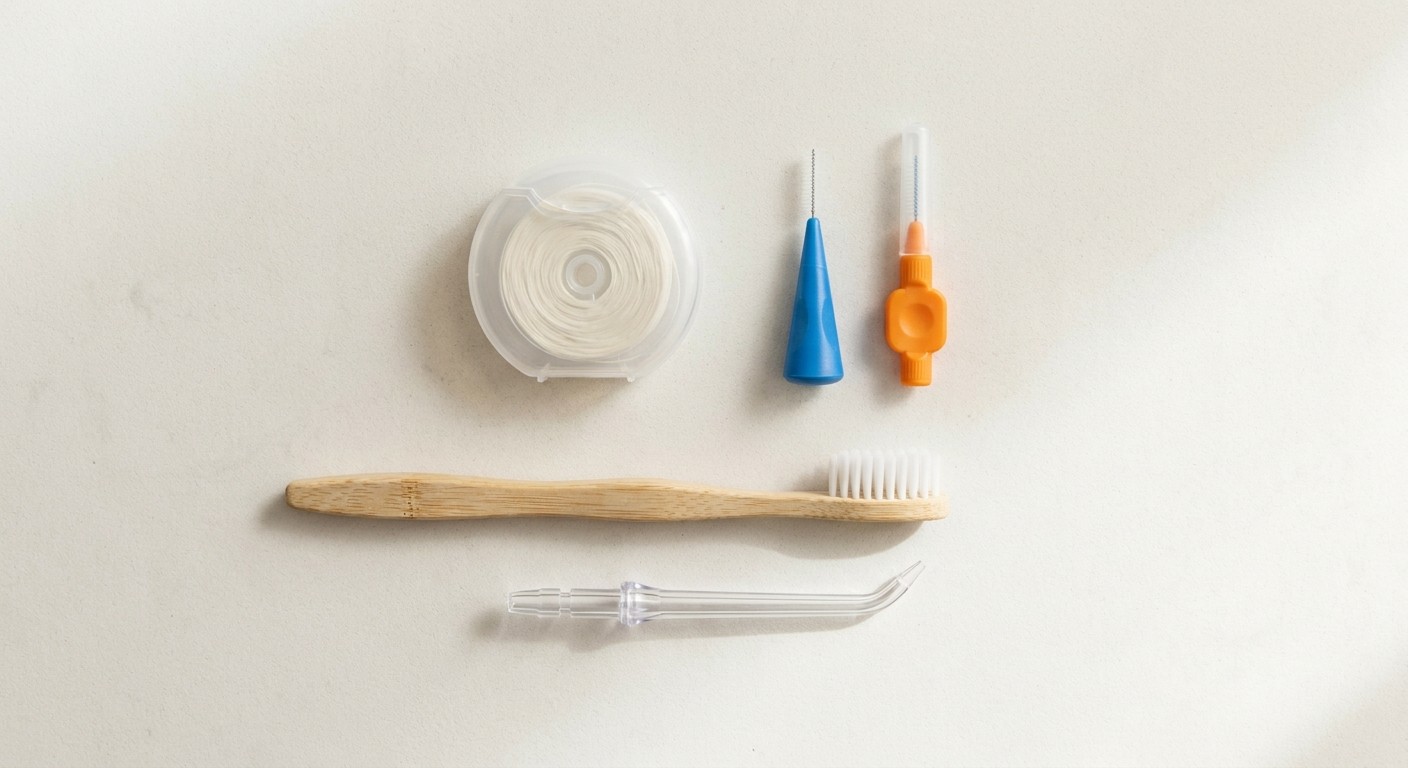
Interdental cleaning remains essential after restoration. A suitable contact should allow floss to pass while helping reduce food impaction. If floss cannot pass, repeatedly shreds or catches at the same point, ask the dentist to inspect the contour instead of pulling harder.
1. Dental floss
Guide floss gently through the contact, curve it into a C shape against one tooth and move it up and down before cleaning the other surface. Avoid snapping floss into the gum. Depending on the restoration, your dentist may show you how to slide the floss out from the side.
2. Interdental brushes
Use an interdental brush only where it passes naturally and is correctly sized. An oversized brush may irritate the gum or place unnecessary force on a margin; one that is too small may not contact the tooth surfaces effectively.
3. Water flossers
A water flosser can help remove loose debris, but it may not fully replace contact cleaning with floss or an interdental brush. The best choice depends on the restoration contour and available space. The American Dental Association notes that interdental cleaners help remove plaque and debris from surfaces a toothbrush cannot reach.ADA guidance
Can Coffee, Tea or Smoking Stain Composite?
Composite resin can change in colour and surface gloss over time. The extent varies with the material, quality of polishing, diet, smoking, oral hygiene and length of service. Coffee, strong tea, red wine and tobacco may contribute to surface staining, but the rate differs between individuals.
Practical measures include:
rinsing with water after dark-coloured drinks
maintaining regular brushing and interdental cleaning
avoiding smoking
not scrubbing composite with highly abrasive powders or tools
asking whether professional polishing is appropriate during reviews
Mild surface staining does not always require complete replacement. Professional cleaning, polishing or local repair may help in selected cases, but the dentist should first check the location of the stain and the integrity of the margins.
How Can You Reduce Wear, Chipping and Roughness?
Black triangle restorations often extend along the proximal surfaces of the front teeth. They still experience biting, flossing and occlusal forces. Reducing avoidable stress may lower the risk of chipping or rough margins.
Avoid:
biting ice, hard sweets, bones or very hard shells with the front teeth
opening packaging or biting pens with your teeth
ignoring persistent tooth grinding or clenching
pulling hard when floss catches
picking at a restoration with sharp objects
If you grind your teeth, place heavy forces on the front teeth or have repeated chipping, the dentist may need to assess your bite and protective options. A night guard is not automatically necessary for everyone.
Which Changes Need an Earlier Review?
Arrange a review if you notice:
floss suddenly no longer passing, shredding or catching
a rough surface, sharp edge or visible chip
one area contacting first or hurting when you bite
the black triangle returning or gradually enlarging
persistent gum bleeding, redness, pain or odour
a growing colour mismatch between the restoration and nearby teeth
food repeatedly trapping again
These changes do not automatically mean that the restoration has failed. They may relate to plaque, contact shape, surface wear, bite forces or periodontal change. For general cleaning guidance, see this article on food trapping and gum warning signs around black triangles.
What Is the Role of Professional Cleaning, Polishing and Reviews?
A review should assess both the restoration and the surrounding gums. The dentist or hygienist may examine plaque levels, margins, contact areas, bite and periodontal stability, with professional teeth cleaning arranged when appropriate.
Professional polishing may improve minor surface staining or roughness in some cases. There is no universal polishing interval for every patient. Review frequency should reflect gum health, restoration size, cleaning ability and clinical advice.
For an explanation of suitability, the restorative process and limitations, read the Bioclear guide for black triangles. Clinical research on matrix-guided composite restoration also emphasises oral-hygiene instruction and follow-up after treatment.Clinical study

Frequently Asked Questions
Can I floss after a black triangle restoration?
Yes. Interdental cleaning remains important. Floss should pass without shredding or catching every time. If it does not, avoid forcing it and ask the dentist to check the contact and restoration contour.
Does composite staining always require replacement?
No. Minor surface staining may sometimes improve with professional cleaning or polishing. Staining at a margin, surface damage or changes within the material may need a different approach, so assessment comes first.
Is continued food trapping normal after treatment?
The exact location and food type matter, but repeated trapping at the same point may relate to the contact, contour or remaining gum space. Arrange a review rather than relying on toothpicks.
How often should the restoration be reviewed?
There is no single interval for everyone. Your dentist will consider gum health, restoration size, oral hygiene and bite risk. Chipping, roughness, bleeding or floss catching warrants an earlier review.
Final Thoughts
Black triangle restorations still need daily interdental cleaning, protection from avoidable biting forces and monitoring for staining, roughness, chipping or gum changes. They can often be maintained, but long-term performance depends on periodontal stability, cleaning, bite forces and the material used.
If you have noticed any of the situations described above, you are welcome to contact our clinic for a consultation to determine whether further assessment or treatment is needed


Book an Appointment
Schedule your visit now for personalized care in a comfortable environment. Your journey to a brighter, healthier smile begins here.