
When Is Periodontal Surgery Needed? Types, Process and Aftercare

Adult Dentistry
Periodontal Surgery
Gum Disease Treatment
When Is Periodontal Surgery Needed? Types, Process and Aftercare
Persistent bleeding, loose teeth or deep periodontal pockets can make patients worry that surgery is inevitable. Periodontal surgery is usually not the first step. Oral-hygiene instruction, non-surgical deep cleaning and risk-factor control are generally completed before the remaining problems are reassessed.
Surgery may be discussed when deep pockets, inaccessible deposits, selected bone defects or significant gum recession remain. Every option requires individual gum disease treatment assessment.
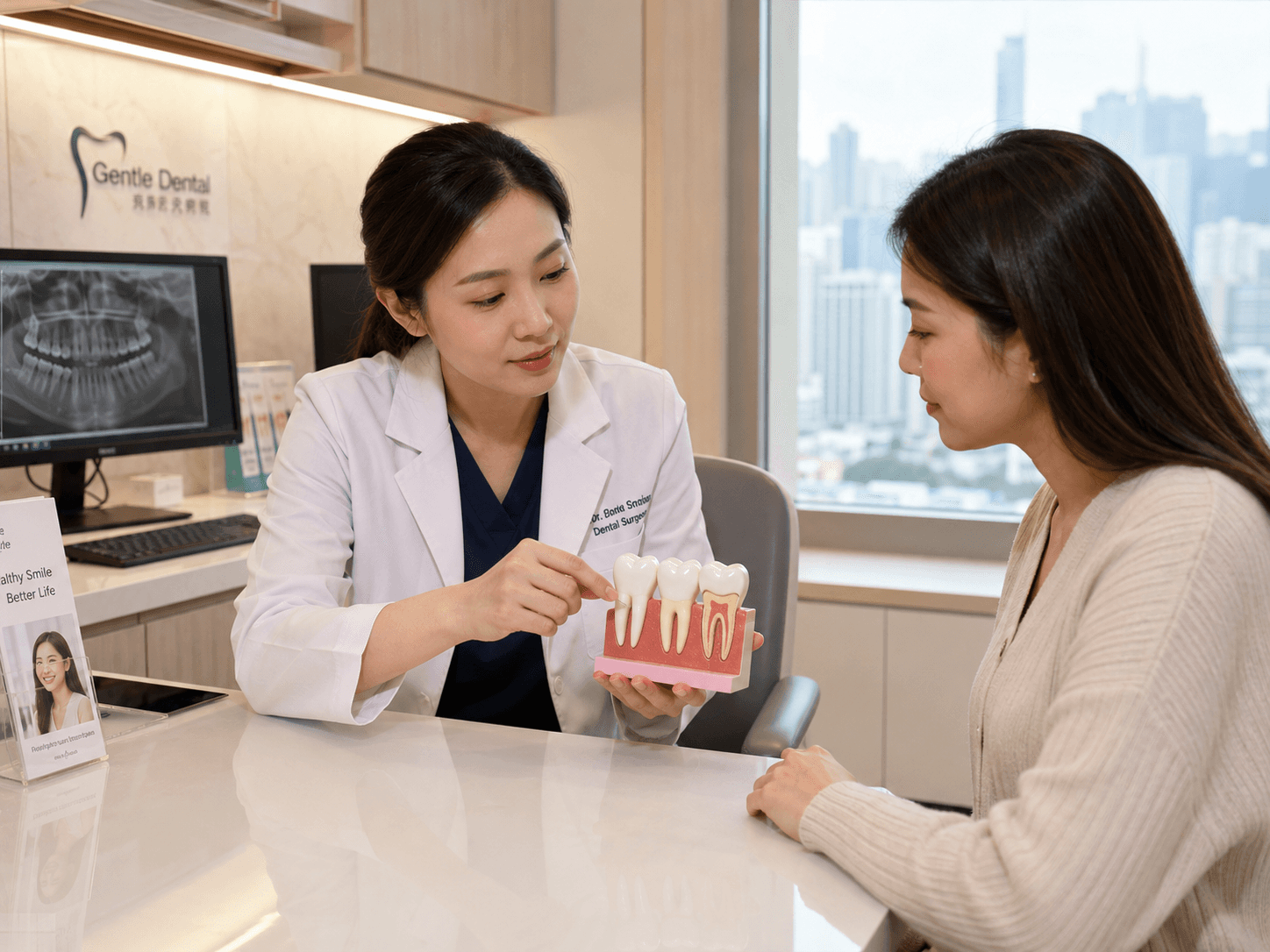
What Is Periodontal Surgery Intended to Do?
Periodontitis damages the gum, periodontal ligament and supporting bone. Surgery does not provide a one-off cure. In suitable cases, it may improve access for cleaning, reduce deep pockets, manage selected bone defects or increase gum tissue to support long-term disease control.
A procedure may aim to:
provide access to deposits deep on root surfaces
create a more cleansable pocket shape
promote regeneration in selected bone defects
cover part of an exposed root or increase thin gum tissue
establish a more stable foundation for restoration or implants
These five warning signs of periodontal disease can help explain when assessment is important.
When Might Surgery Be Considered?
After non-surgical treatment and review, possible reasons include persistent deep pockets with bleeding, deposits in inaccessible areas, a suitable bone defect, recession causing sensitivity or cleaning difficulty, or a need to improve tissues before restoration.
Suitability also depends on plaque control, smoking, diabetes control, tooth prognosis and attendance for maintenance. If adequate plaque control has not been achieved, the priority is usually to improve daily cleaning and risk factors rather than proceed immediately to surgery.
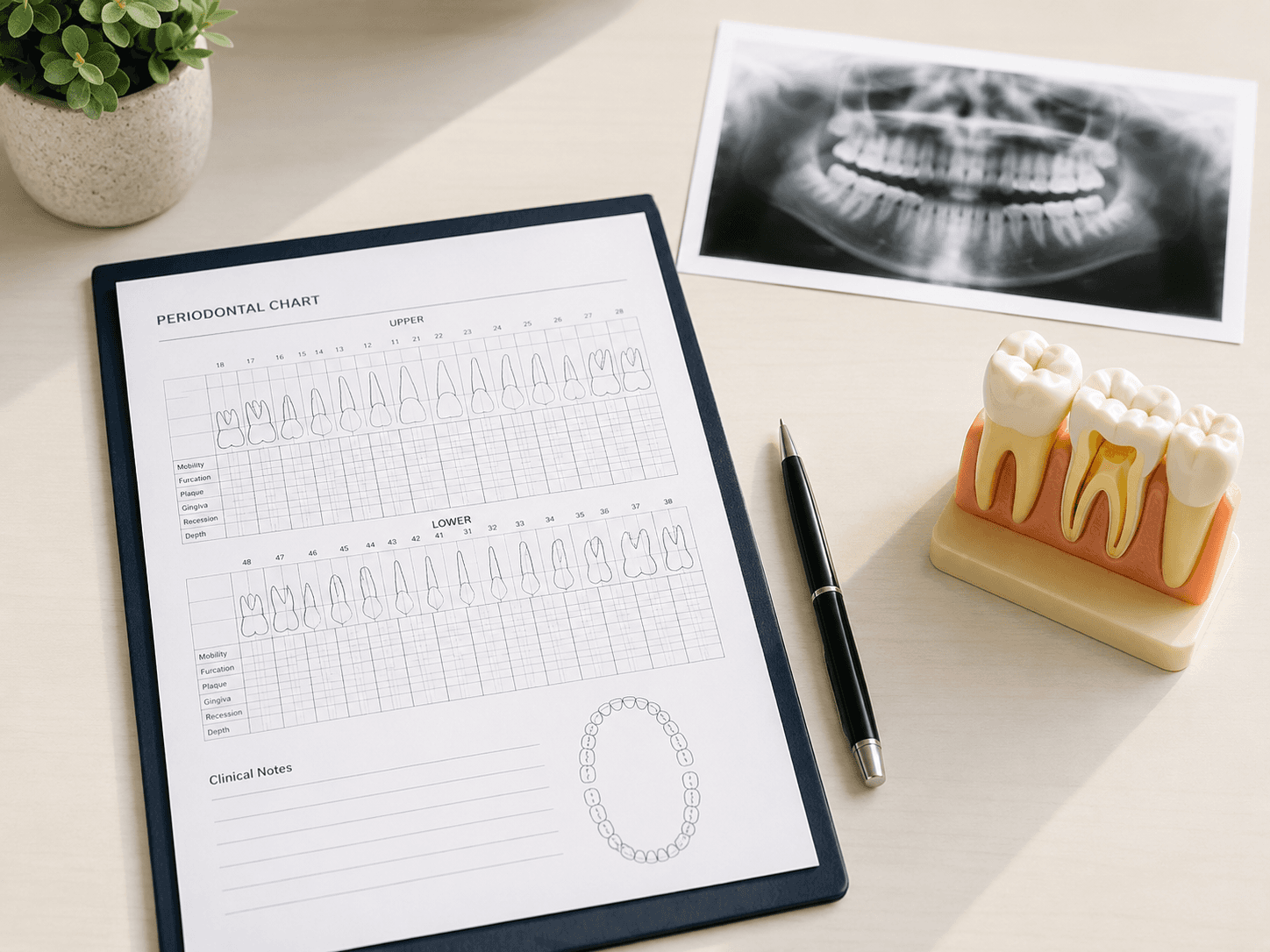
After non-surgical treatment, residual pockets of around 6 mm or more, especially when accompanied by bleeding, intrabony defects or furcation involvement, may prompt further surgical assessment. The decision should not be based on a single measurement alone. A routine dental check-up and detailed periodontal charting are essential.
Common Types of Periodontal Surgery
1. Flap and pocket-reduction surgery
The gum is gently lifted to provide access to deep root and bone surfaces. Deposits and inflamed tissue are removed before the gum is sutured in a planned position.
2. Regenerative procedures
For selected bone defects, bone graft material, membranes or biological materials may be used in an attempt to promote regeneration. The amount of regeneration cannot be guaranteed.
3. Gum graft surgery
Soft tissue from the palate or another source is placed at a thin or receded site to increase tissue thickness or cover part of an exposed root. It differs from restorative reshaping; this gum recession and black triangle guide explains the distinction.
4. Crown-lengthening surgery
Gum and sometimes bone contours are adjusted to expose more tooth structure for restoration. Crown lengthening falls within periodontal surgery, but in some cases its main purpose is to make a decayed or fractured tooth restorable rather than to treat periodontitis. Whether a crown or bridge is then appropriate depends on restorability.
What Does the Process Involve?
Planning — Periodontal measurements, radiographs, medical history and risk factors are reviewed.
Local anaesthetic — The treatment area is numbed.
Targeted procedure — Root surfaces, gum or bone are managed according to the plan.
Sutures and protection — The tissue is secured and a dressing may be used.
Post-operative review — Healing is checked and sutures removed when appropriate.
Periodontal maintenance — Pockets, bleeding and plaque are monitored.

Aftercare
Follow instructions for pain relief, mouth rinse and any prescribed medication. Avoid vigorous brushing or pulling the lip at the surgical site initially, choose softer foods, avoid smoking and alcohol, and do not disturb the sutures.
Contact the clinic if heavy bleeding continues, swelling suddenly worsens, fever develops or pain is not controlled. Once healing allows, daily plaque control and regular professional teeth cleaning remain essential. The maintenance interval is individualised; some patients may require periodontal monitoring approximately every 3–6 months.
Can Gum Disease Return After Surgery?
Periodontitis is a chronic condition that requires ongoing management. Surgery may improve a particular site, but smoking, poor plaque control, uncontrolled diabetes and missed maintenance can increase the risk of further breakdown.
If dental implants are considered later, periodontal stability is particularly important. Natural teeth and implant tissues both require long-term cleaning and monitoring.
Frequently Asked Questions
Does everyone with gum disease need surgery?
No. Many cases are managed initially with non-surgical treatment. Surgery is considered only when specific problems remain after reassessment.
Is periodontal surgery painful?
Local anaesthetic is normally used. Swelling, soreness or sensitivity may follow, with the degree and duration depending on the procedure.
Can surgery regrow all lost bone?
No result can be guaranteed. Selected defect shapes may respond to regenerative treatment, but outcomes depend on disease control, smoking and healing.
When can I brush normally again?
Instructions vary. The surgical site is usually avoided initially, with cleaning reintroduced gradually after review.
Will a loose tooth definitely be saved?
Not necessarily. Prognosis depends on bone loss, cracks, infection control and bite forces. Alternatives should be discussed before treatment.
Final Thoughts
Periodontal surgery is one tool for managing selected deep pockets, bone defects and gum problems, usually after non-surgical treatment and reassessment. The procedure and its limitations must be tailored to each site and patient.
If you have noticed any of the situations described above, you are welcome to contact our clinic for a consultation to determine whether further assessment or treatment is needed.


Book an Appointment
Schedule your visit now for personalized care in a comfortable environment. Your journey to a brighter, healthier smile begins here.