
What Is Vital Pulp Therapy? A Guide to Preserving the Natural Tooth

Adult Dentistry
Pulp Preservation
Root Canal Treatment
What Is Vital Pulp Therapy? A Guide to Preserving the Natural Tooth
When decay approaches the dental pulp, or trauma exposes it, many people assume root canal treatment is inevitable. Vital pulp therapy aims, in suitable cases, to remove affected tissue, control bacteria and preserve pulp that remains capable of healing.
It is not a simple substitute for root canal treatment and does not suit every painful tooth. Diagnosis requires symptoms, clinical tests and imaging. Background information is available on our root canal treatment page.
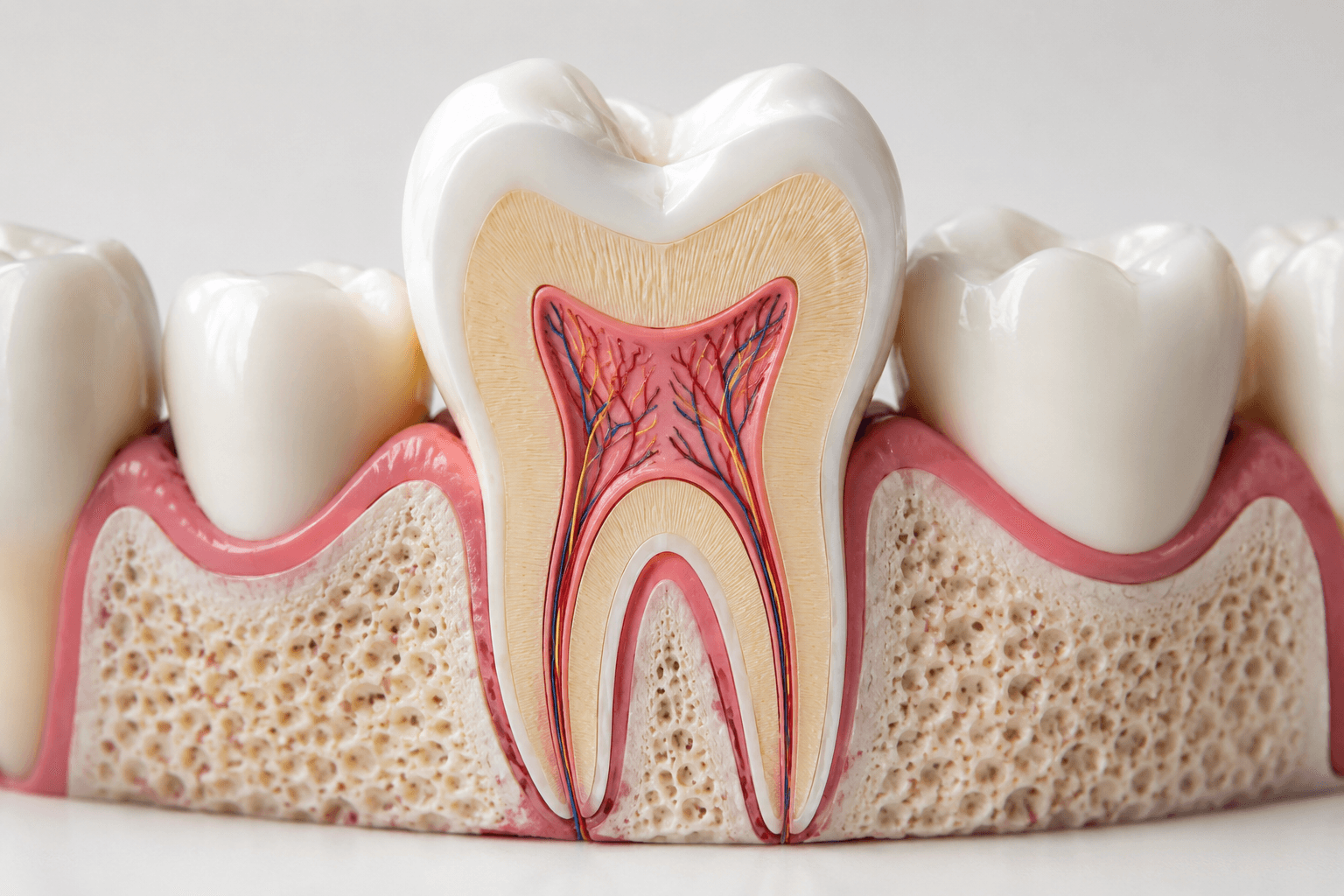
What Is Vital Pulp Therapy?
The pulp contains blood vessels, nerves and connective tissue. Vital pulp therapy, or VPT, includes procedures intended to maintain its vitality and function:
Indirect pulp treatment protects a thin layer of dentine over an unexposed pulp.
Direct pulp capping places a biocompatible material over a small exposure in a suitable pulp.
Partial pulpotomy removes a limited layer of affected coronal pulp.
Full coronal pulpotomy removes pulp in the crown while preserving vital tissue in the roots.
Modern guidance supports assessment of VPT in selected mature permanent teeth as well as young teeth with developing roots. In other words, VPT may be considered for selected young and mature permanent teeth; it is not limited strictly to either children or adults.
Modern procedures commonly use hydraulic calcium silicate biomaterials over the pulp to support sealing and tissue repair. Material selection depends on the pulp condition, tooth and restorative protocol.
When May It Be Considered?
Possible situations include deep caries, a limited traumatic exposure, clinically controllable pulp bleeding, and a tooth that can be sealed and restored. The patient must also be able to attend follow-up.
Suitability cannot be decided from pain or a traditional diagnostic label alone. The appearance of the pulp after caries removal, the pattern of bleeding, whether haemostasis can be achieved within a clinically reasonable period, and the periapical radiograph are also important. A dental examination, sensibility tests, percussion and radiographs may all be needed.
When Might Another Treatment Be Needed?
VPT may not be suitable where the pulp is necrotic, there is apical infection, swelling continues, the tooth is severely cracked, or a durable seal cannot be achieved. Some teeth need full root canal treatment; others may be unrestorable.
The decision should consider pulp status, cracks, decay, periodontal support and restorability. This root canal versus extraction guide explains related decisions.
What Does the Procedure Involve?
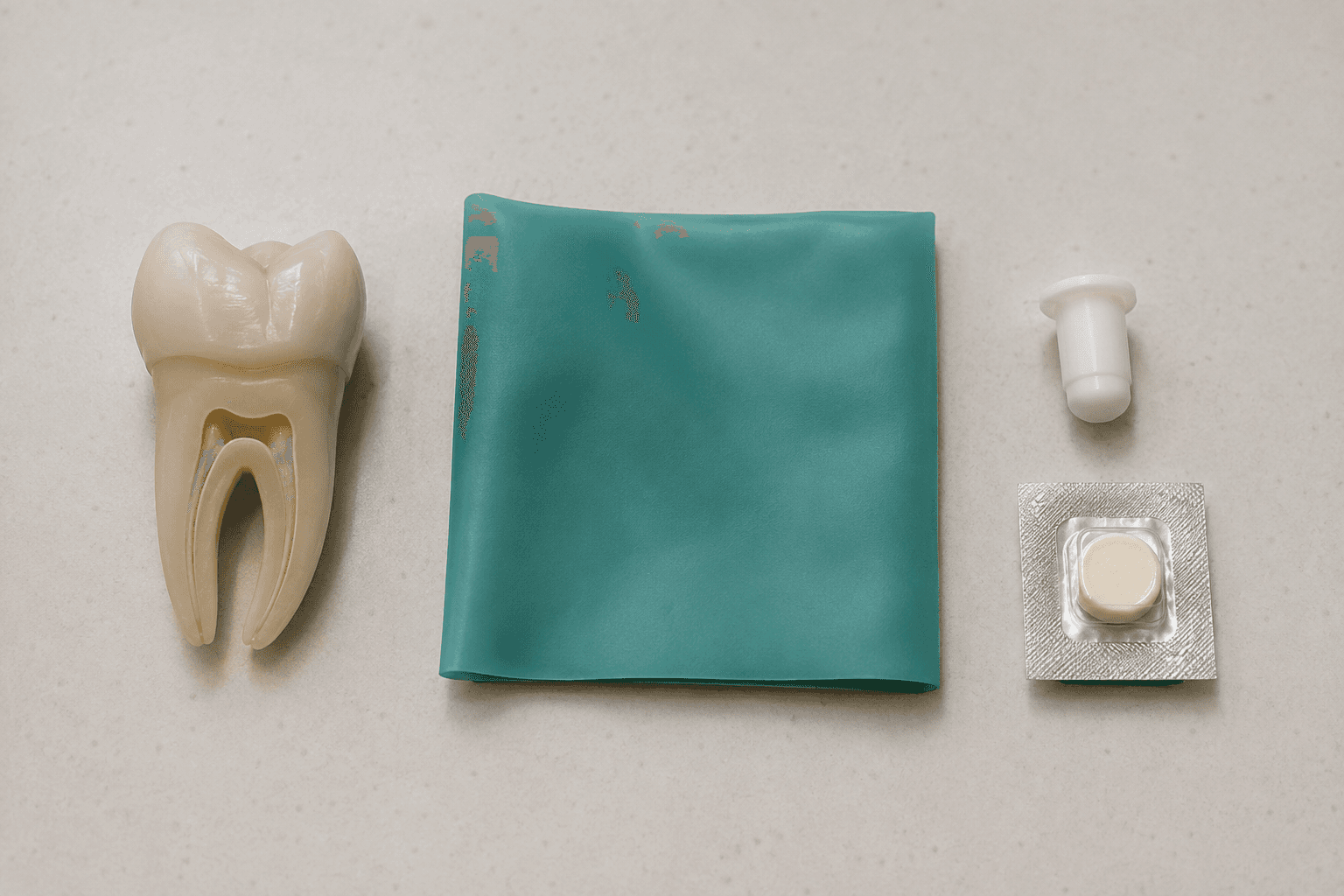
Diagnosis and isolation — Symptoms and imaging are reviewed and a rubber dam reduces contamination.
Caries removal — Infected dentine is removed and the pulp is inspected directly if exposed.
Haemostasis and disinfection — The wound is managed and the pulp response assessed.
Biomaterial placement — A suitable material protects and seals the pulp.
Definitive restoration — The tooth is restored to reduce bacterial leakage.
Review — Symptoms, pulp response and apical tissues are monitored.
The Final Restoration and Coronal Seal Also Matter
Long-term outcome depends on preventing bacteria from re-entering the tooth, not only on the pulp material. Even when the pulp procedure is performed appropriately, leakage at the restoration margin or recurrent decay may lead to further inflammation or necrosis. A structurally weakened tooth may need discussion of a dental crown.
Potential Benefits
1. Preserving living tissue
Maintaining blood supply and sensory function supports the biological response of the tooth. In young permanent teeth, it may also allow continued root development.
2. A potentially more conservative scope
Only the affected portion of pulp may be removed in a suitable case. However, diagnosis, isolation and sealing remain technically demanding.
3. Retaining future options
If the pulp does not remain healthy, root canal treatment may still be required. VPT therefore needs monitoring rather than being treated as a one-off guarantee.

What Should You Watch for Afterwards?
Mild short-term sensitivity may occur. Persistent spontaneous pain, night pain, pain on biting, swelling or a sinus tract needs prompt review. Do not rely on painkillers to delay diagnosis.
Maintain daily hygiene and regular professional teeth cleaning. Follow-up may include repeat sensibility testing or radiographs.
Frequently Asked Questions
Can every deeply decayed tooth have vital pulp therapy?
No. Pulp response, infection, bleeding control and the ability to seal the tooth must be assessed. Some teeth require root canal treatment.
Could I still need root canal treatment later?
Yes. If the pulp fails to remain healthy or infection develops, root canal treatment may become necessary. Reviews help identify change early.
Is VPT only for children?
No. It has long been used in young permanent teeth, but selected mature permanent teeth may also be assessed under modern guidance.
Is the procedure painful?
Local anaesthetic is generally used. Temporary sensitivity may follow; persistent or increasing pain should be reviewed.
What should I do if I have toothache?
Seek diagnosis rather than deciding between VPT, root canal treatment or extraction yourself. If you feel anxious, these dental anxiety strategies may help.
Final Thoughts
Vital pulp therapy may preserve living pulp in selected teeth affected by deep decay or trauma when diagnosis, infection control and sealing are appropriate. Case selection and follow-up are essential.
If you have noticed any of the situations described above, you are welcome to contact our clinic for a consultation to determine whether further assessment or treatment is needed.

Book an Appointment
Schedule your visit now for personalized care in a comfortable environment. Your journey to a brighter, healthier smile begins here.