
Back-to-School Dental Checklist for Children: A Parent's Guide
Children's Dentistry
Back-to-School Health
Preventive Dentistry
Back-to-School Dental Checklist for Children: A Parent's Guide
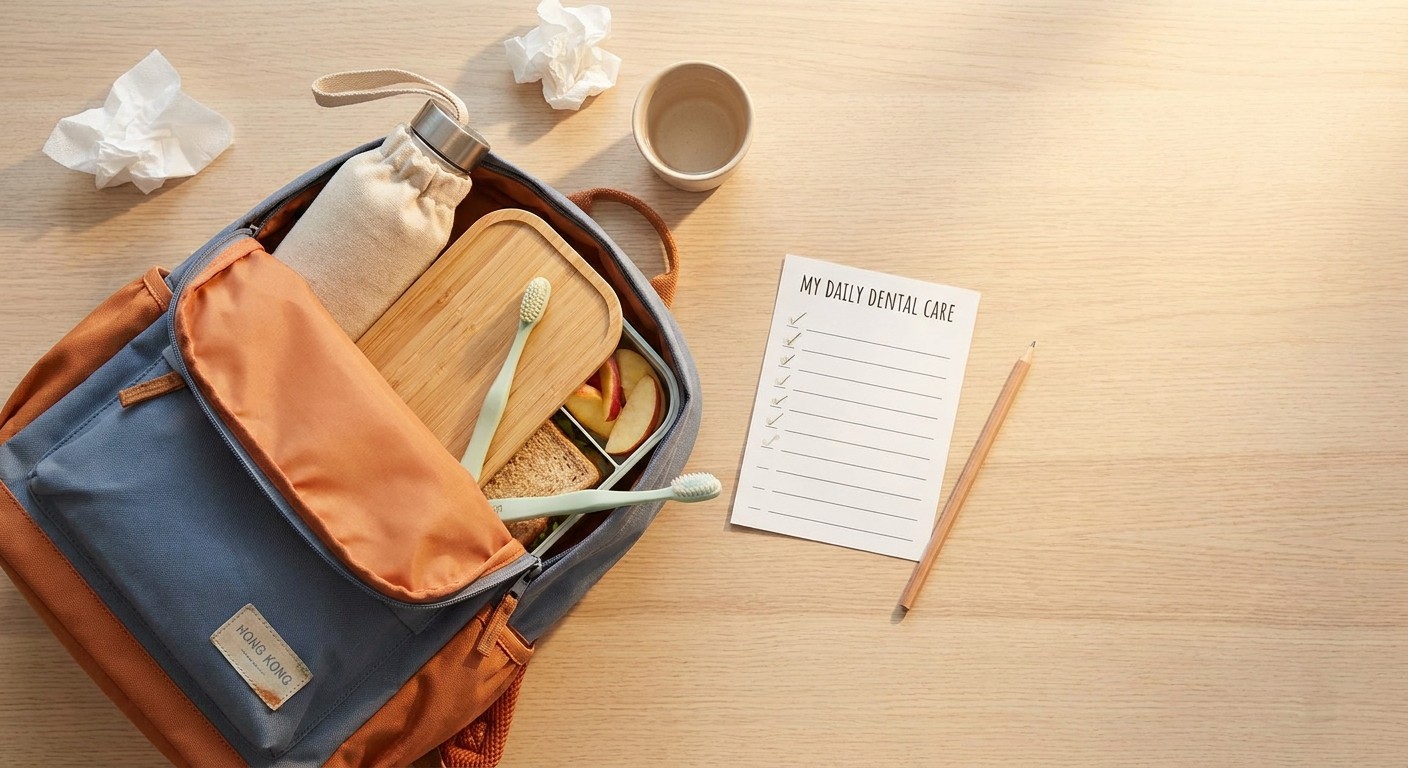
Before school resumes, check whether your child has toothache, bleeding gums, tooth discolouration, unusual tooth eruption or recurring food trapping, and reset brushing, school snack and sports-protection routines. Persistent pain, swelling or dental trauma should not be left until after term begins.
A pre-school dental visit is not a compulsory treatment for every child. However, if a review is due, holiday routines have disrupted oral care, or you have noticed a change, a children's dental check-up may be useful. The examination, imaging and preventive advice required will depend on age, decay risk, dental development and clinical findings.
Why is the start of term a useful time to review dental care?
During the school holidays, bedtimes, snack frequency, travel and changes of caregiver can interrupt an established brushing routine. Once classes resume, a busy timetable may also make it more difficult to arrange care if toothache, a troublesome loose tooth or discomfort from an appliance suddenly worsens.
The purpose of a back-to-school checklist is therefore broader than simply booking an appointment. It helps parents identify symptoms that require attention, restore a consistent daily routine and plan for the coming term's meals and activities. Hong Kong's Department of Health encourages children and adolescents to brush morning and night with fluoride toothpaste, avoid frequent high-sugar snacks and drinks, and attend regular oral health checks.Hong Kong Government oral health information
What can parents check at home first?
In good lighting, look inside your child's mouth and ask about any recent discomfort:
Are there white, brown or dark marks on any teeth?
Is there continuing sensitivity to cold, hot or sweet foods?
Does your child avoid chewing on one side or report pain when biting?
Do the gums bleed frequently, look swollen or have a persistent unpleasant smell?
Is a loose baby tooth painful, swollen or interfering with eating?
Is an adult tooth erupting in an unusual position, or behind a baby tooth that has not fallen out?
Is a brace, retainer or other appliance loose, distorted, rubbing or no longer fitting?
Was there a dental injury during the holidays that has not been assessed?
These observations do not replace a dental diagnosis. Facial or gum swelling, persistent toothache, fever with signs of oral infection, or a tooth that has been displaced or loosened by trauma should be discussed with a dentist promptly rather than left for a routine visit.
What may a children's dental check-up cover?
The contents of an examination vary with age and individual risk, but may include:
Decay and existing restorations: checking tooth surfaces, spaces between teeth and previous fillings for changes
Gums and oral hygiene: assessing plaque, bleeding and areas that are regularly missed during brushing
Tooth loss and eruption: reviewing the transition from baby teeth to adult teeth and whether space needs monitoring
Bite and alignment: looking for crowding, crossbite, open bite or other developmental changes
Preventive needs: discussing fluoride care or fissure sealants according to decay risk rather than assuming every child needs the same measures
Habits and appliances: asking about grinding, biting objects, mouth breathing, braces and retainers
Dental X-rays are not automatically required at every children's appointment. The dentist will consider symptoms, decay risk, tooth position, previous records and any proposed care. If your child has not yet established a check-up routine, see our guide to the timing and preparation for a first dental visit

How can families reset the school-day brushing routine?
One or two weeks before term starts, gradually return brushing to fixed morning and bedtime routines rather than making a sudden change on the first school day. Practical steps include:
Brush morning and night with fluoride toothpaste
Help or supervise younger children and check areas their developing dexterity may miss
Encourage children to spit out excess toothpaste and use an age-appropriate amount advised by their dentist
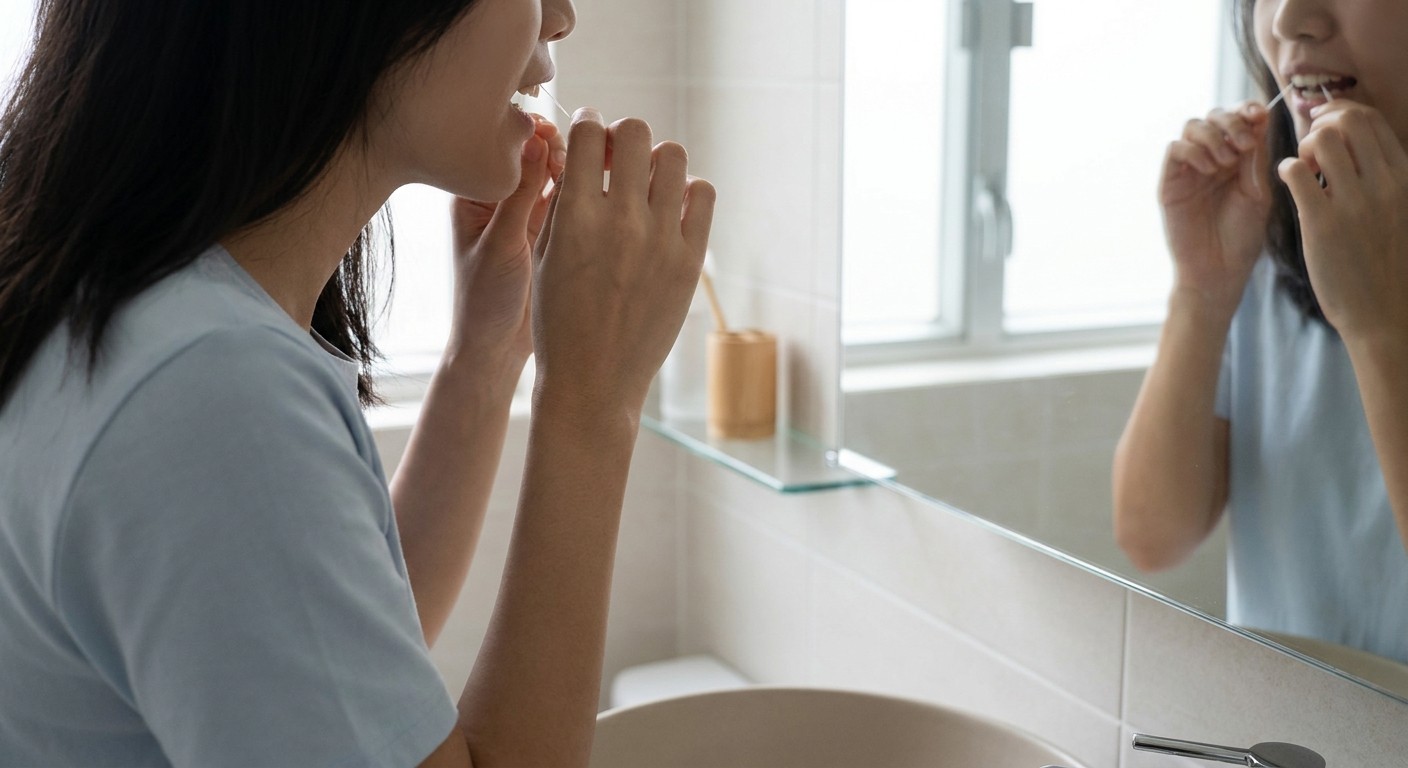
Add flossing where teeth contact closely or food frequently becomes trapped, following professional advice
Clean braces and retainers as instructed, and avoid hot water that could distort removable appliances
This article does not repeat detailed toothpaste quantities or professional fluoride-varnish guidance. Parents who need this information can read the children's fluoride guide and ask the dentist for advice based on the child's decay risk.
How should school snacks and drinks be planned?
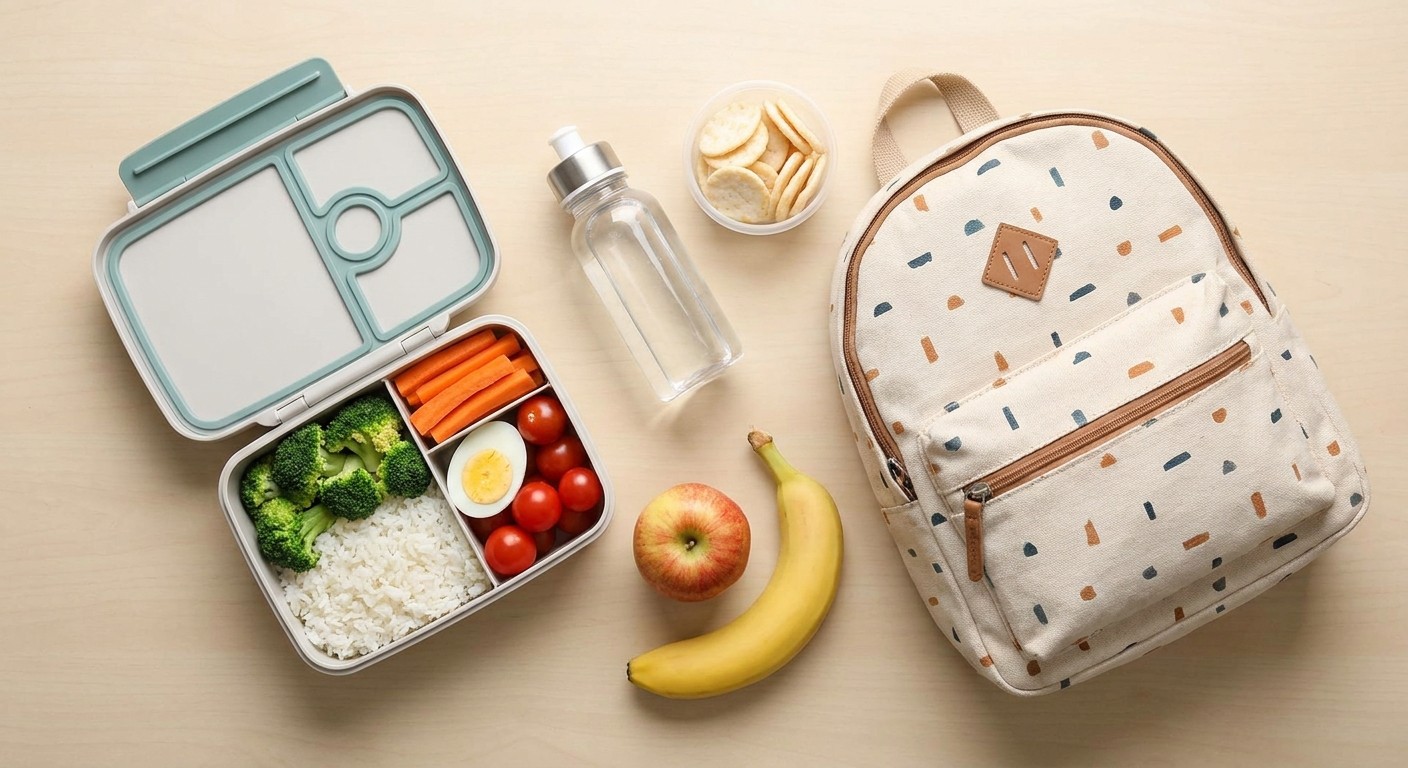
A tooth-friendly approach does not necessarily mean banning every sweet food. It generally involves reducing how often teeth are exposed to sugar and acidic drinks. When preparing school snacks, consider:
Making water the main drink
Keeping sweet foods to mealtimes rather than offering small amounts repeatedly throughout the day
Choosing snacks that are less sticky and can be eaten within a defined snack period
Remembering that juice, flavoured milk, yoghurt drinks and sports drinks may also contain sugar
Offering water after eating and maintaining normal brushing at home rather than brushing aggressively to compensate
If your child has recurring toothache, visible marks or a history of decay, see the childhood cavities prevention and treatment guide and arrange an individual risk assessment.
What should parents consider for sport, music and dental appliances?
A new school year may bring a new sports team, activity or musical instrument. For sports with a risk of facial contact, ask a dentist whether a suitable sports mouthguard is appropriate. Over-the-counter and custom-made mouthguards have different considerations, and children who are losing teeth or receiving orthodontic treatment require individual assessment.
If your child wears braces or a retainer, check before term starts for distortion, breakage, rubbing or poor fit, and prepare a suitable storage case. If playing a wind instrument causes continuing pressure or soreness around the lips, teeth or appliance, record the activity and symptoms for discussion with the dentist or orthodontic clinician.
Frequently Asked Questions
Does every child need a dental appointment before school starts?
No. The start of term is a convenient reminder to review oral health and routines, but appointment timing should reflect the child's needs and their dentist's advice. A review is particularly relevant if one is due, symptoms have appeared or an appliance is causing difficulty.
Does the absence of toothache mean there is no decay?
No. Early decay may not cause obvious pain and can occur between teeth where parents cannot easily see it. A dentist must examine the teeth to diagnose decay and will only recommend imaging or other records when appropriate.
Do crooked teeth during the mixed-dentition stage require braces immediately?
Not necessarily. Tooth position continues to change while baby teeth are being replaced. The dentist will consider eruption, available space, the bite and jaw development before recommending monitoring, referral or further assessment.
Does Hong Kong's School Dental Care Service replace other dental checks?
The School Dental Care Service provides important preventive and basic dental support, but participation, treatment needs and follow-up requirements vary. Parents should retain relevant records and arrange additional assessment when symptoms or individual needs warrant it.School Dental Care Service
Final Thoughts
A back-to-school dental checklist should cover symptoms, decay and gums, tooth eruption and the bite, morning and bedtime brushing, school food and drink, sports protection and dental appliances. The aim is not to arrange every possible preventive procedure at once, but to identify priorities and establish a routine that can be sustained throughout the school year.
If you have noticed any of the situations described above, you are welcome to contact our clinic for a consultation to determine whether further assessment or treatment is needed

Book an Appointment
Schedule your visit now for personalized care in a comfortable environment. Your journey to a brighter, healthier smile begins here.