
Childhood Cavities: A Prevention & Treatment Guide for Parents
Children's Dentistry
Family Dentistry
General Oral Care
Childhood Cavities: A Prevention & Treatment Guide for Parents
Tooth decay is one of the most common childhood health conditions. In Hong Kong, roughly half of all school-age children have experienced some degree of cavities. Many parents assume that because baby teeth will eventually fall out, cavities in them do not matter — but this is a misconception that can lead to real consequences. Early prevention and timely treatment of childhood cavities are essential for your child's oral health and the healthy development of their permanent teeth.
This guide covers why children are prone to cavities, why baby tooth decay should not be ignored, effective prevention strategies, and the treatment options available through children's dentistry.
Why Are Children Especially Prone to Cavities?
Cavities form when three factors combine: bacteria, sugar, and time. Children are particularly vulnerable for several reasons:
Dietary habits: Frequent consumption of sugary snacks and drinks gives bacteria a constant supply of fuel to produce acid that attacks tooth enamel
Developing brushing skills: Young children struggle to brush thoroughly on their own, especially the back molars
Thinner enamel: Baby teeth have a thinner layer of enamel compared to permanent teeth, making them less resistant to decay
Bottle-feeding habits: Infants who fall asleep with a bottle of milk or juice expose their teeth to prolonged sugar contact
Why Baby Teeth Cavities Must Be Treated
The short answer: yes, they need treatment. Untreated baby tooth decay can lead to:
Infection: Deep cavities can reach the pulp (nerve), causing abscesses that affect eating and daily life
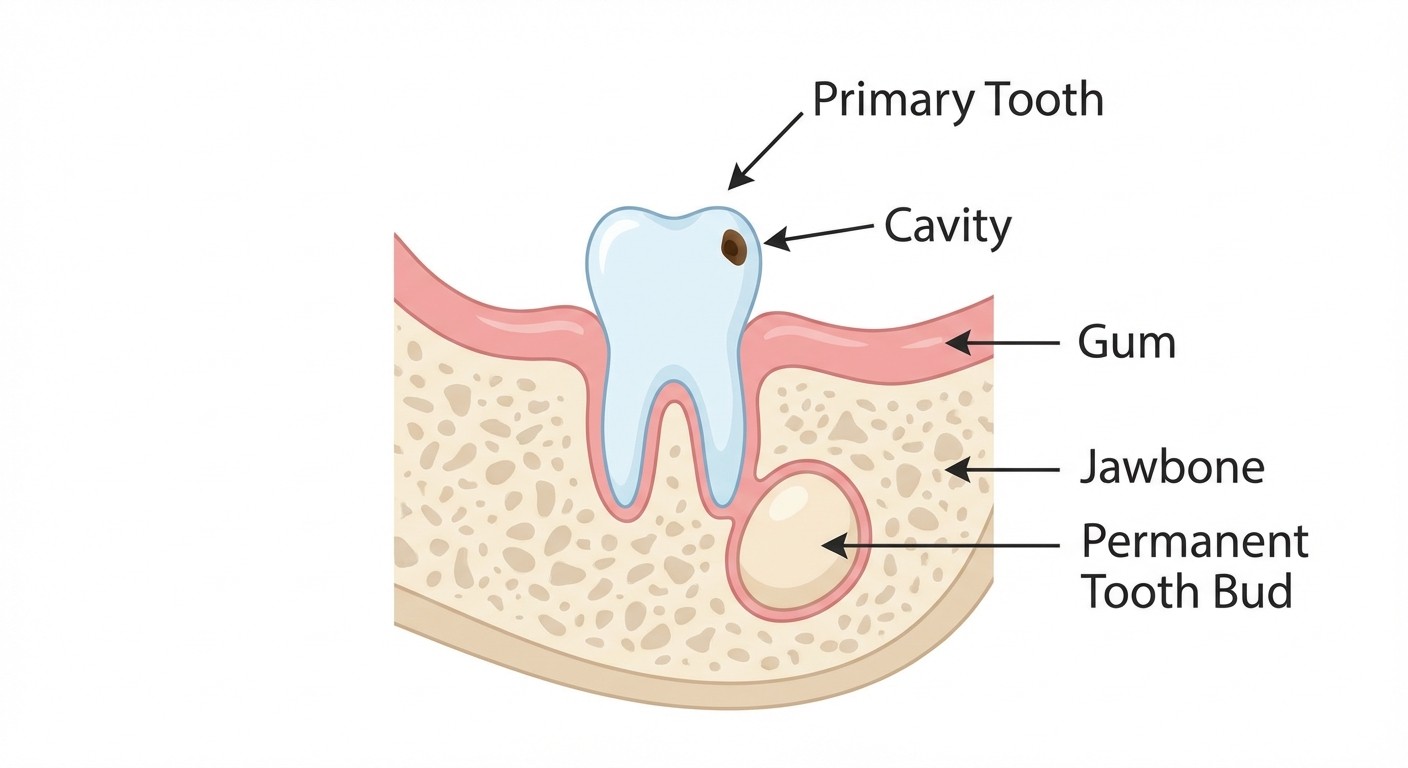
Damage to developing permanent teeth: Infection from a baby tooth can spread to the permanent tooth bud growing beneath it
Nutritional impact: Pain may cause children to avoid chewing on one side, potentially affecting their nutrition over time
Space loss: If a baby tooth is lost too early, neighbouring teeth may shift into the gap, leaving insufficient room for the permanent tooth to erupt properly — a situation that may later call for early orthodontic intervention
How to Prevent Childhood Cavities
Prevention centres on reducing the conditions that allow bacteria to thrive while strengthening the teeth's natural defences:
Dental Sealants
Sealants are a thin protective coating applied to the chewing surfaces of back teeth (molars), sealing the tiny grooves where food and bacteria tend to accumulate. The procedure is quick, painless, and highly effective. Sealants are generally recommended once the permanent molars erupt — typically between ages 6 and 12.
Fluoride Application
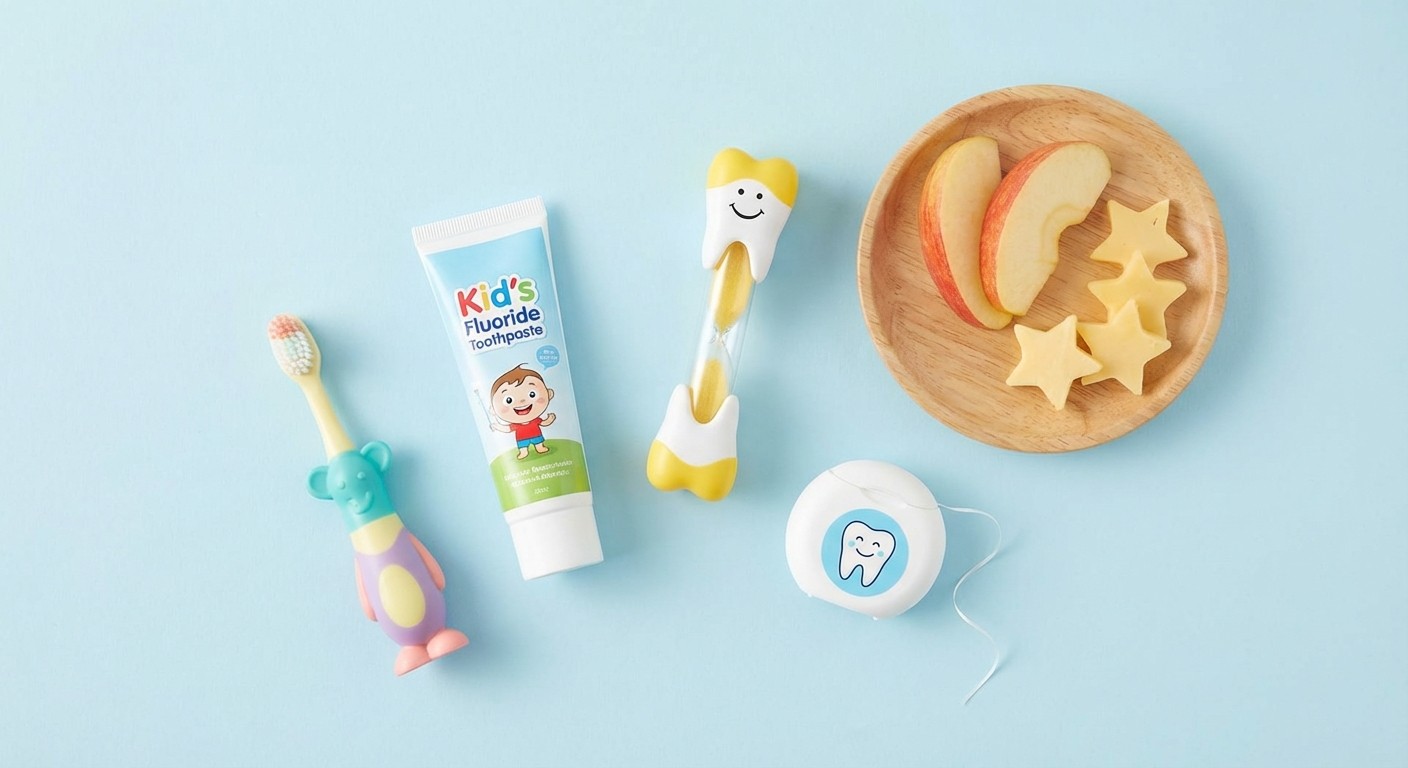
Fluoride strengthens tooth enamel and increases resistance to acid attacks. Common approaches include:
Using fluoride toothpaste (under 2: a rice-grain amount; ages 2–6: a pea-sized amount)
Professional fluoride treatments and cleanings at the dental clinic during regular check-ups
Dietary Management
Limit the frequency of sugary snacks and drinks (frequency matters more than quantity)
Rinse with water after eating
Avoid letting young children fall asleep with a bottle or sippy cup of milk or juice
Proper Brushing Habits
Ages 0–2: Parents clean teeth with a soft cloth or infant toothbrush
Ages 2–6: Parents assist with brushing, ensuring at least 2 minutes each time
Ages 6+: Children can brush independently, but parents should check regularly
Brush at least twice daily — morning and night

Alongside good home brushing habits, introducing your child to the dentist early matters just as much. Parents can refer to our guide on when to schedule a child's first dental visit, and keep an eye out for oral habits such as thumb sucking and lip biting that can affect tooth alignment over time.
Treatment Options for Childhood Cavities
Depending on the severity of the decay, common treatment options include:
Fillings: The most common approach — the decayed portion is removed and replaced with a filling material
Stainless steel crowns: Used for more extensive baby tooth decay, providing full coverage and protection until the tooth naturally falls out
Pulp therapy: When decay reaches the pulp (nerve), pulp treatment is needed to remove infection and preserve the tooth
The best treatment plan depends on the extent of the cavity, your child's age, and how soon the tooth is expected to fall out naturally. Your dentist will recommend the most appropriate option for your child's specific situation, paired with a routine dental check-up every six months to monitor overall oral health.
📖 Further reading: Baby Teeth Cavity Myths: 5 Misconceptions Every Parent Should Know
Frequently Asked Questions
Can we just leave a baby tooth cavity? The tooth will fall out anyway.
This is not recommended. Untreated cavities can cause pain and infection, and may damage the permanent tooth developing underneath. Early treatment prevents the problem from getting worse.
At what age should my child start using toothpaste?
You can start using fluoride toothpaste from the time the first tooth appears. Use a rice-grain amount for children under 2, and a pea-sized amount for ages 2–6. Parents should assist and supervise brushing.
Are dental sealants painful? How long do they take?
Sealants are completely painless and do not require anaesthesia. Each tooth takes just a few minutes. Sealants can last several years, and your dentist will check their condition during regular visits.
Will my child feel pain during a filling?
Modern paediatric dentistry prioritises comfort. Minor cavities can often be filled without anaesthesia. For deeper cavities, local anaesthesia may be used, and the dentist will employ appropriate calming techniques suited to your child. If your child is anxious about dental visits, see our guide on overcoming dental anxiety.
How often should my child have a dental check-up?
A check-up every 6 months is generally recommended. Your dentist may suggest a different frequency based on your child's individual cavity risk assessment.
Childhood cavities are common, but with good oral hygiene habits and regular dental visits, most can be prevented. If you have any questions about your child's oral health, you are welcome to contact our clinic for a consultation.
Have a question? Get in touch via WhatsApp:


Book an Appointment
Schedule your visit now for personalized care in a comfortable environment. Your journey to a brighter, healthier smile begins here.