What to Check Before Black Triangle Treatment: Six Assessment Priorities

Adult Dentistry
Treatment Planning
Periodontal Assessment
What to Check Before Black Triangle Treatment: Six Assessment Priorities
Choosing treatment for a dental black triangle should involve more than measuring the visible gap. Similar-looking spaces may result from gum inflammation or recession, reduced bone support, triangular tooth shape, a high contact area, tooth alignment, root angulation or the bite.
A black triangle treatment assessment therefore aims to identify the main cause before deciding whether the gums, tooth position or tooth contour should be addressed—or whether several disciplines need to work together. Assessment usually begins with a routine dental check-up, with periodontal measurements, photographs, X-rays or other records used when clinically appropriate
Why Is Gap Size Alone Not Enough?
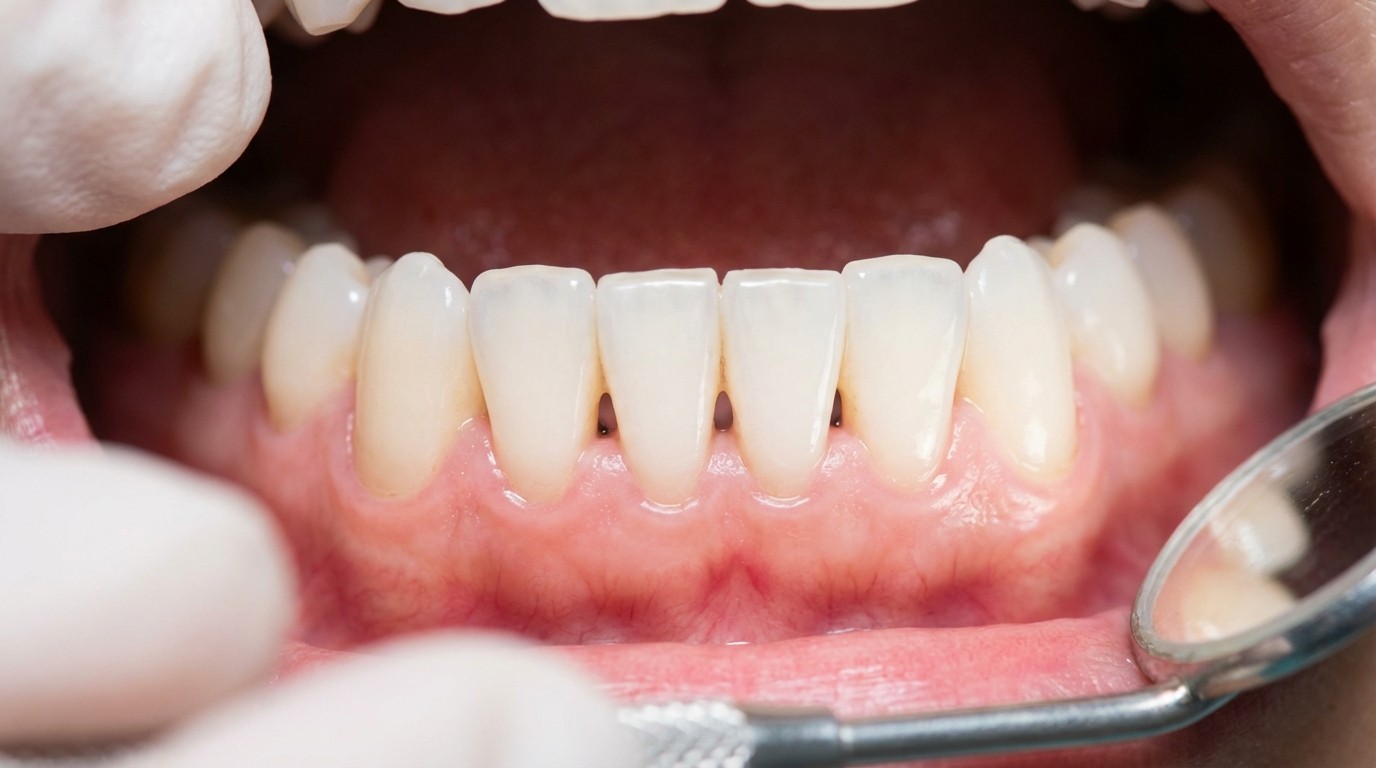
A black triangle is an open space below the contact area of two teeth near the gumline. Teeth with a triangular shape may have a higher contact area; periodontal disease may reduce bone and papilla support; orthodontic alignment may reveal a space previously hidden by crowding.
Treating the appearance without identifying the cause can create problems:
active gum inflammation may make a margin difficult to maintain
adding too much material may make teeth look disproportionately wide
tooth or root position may need correction rather than extensive bonding
heavy bite forces may increase wear or chipping
continuing gum recession may reveal the space again
The goal is not always complete closure. It is to find an option that is proportionate, cleansable and compatible with periodontal stability.
Are the Gums Healthy and Stable?
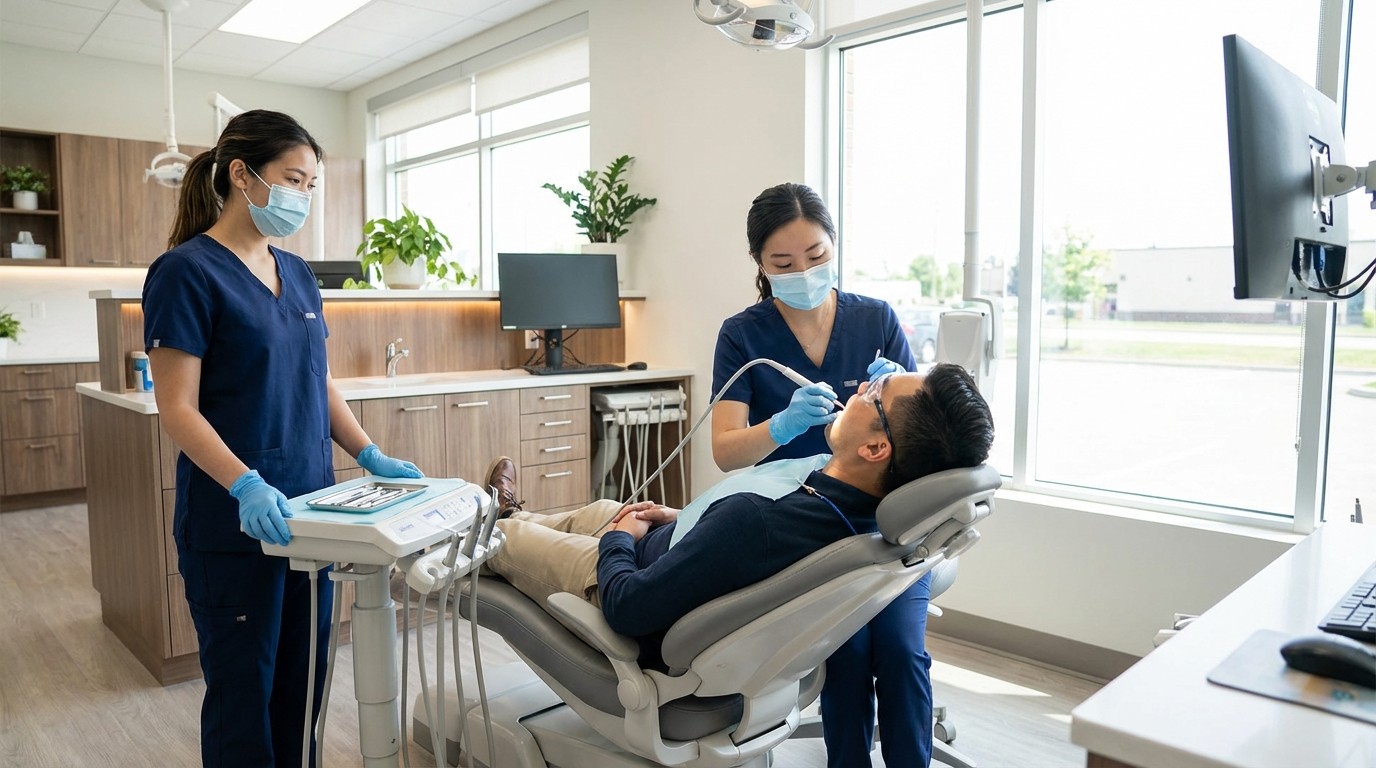
Periodontal assessment may include bleeding, swelling, pocketing, recession, plaque control and the patient’s ability to clean the area. Active disease is generally managed before definitive cosmetic or restorative work, followed by observation of whether the gum position is stable.
Warning signs include:
frequent bleeding during brushing or interdental cleaning
red, swollen, painful gums or persistent odour
continuing recession and increasing root exposure
teeth becoming loose or changing position
a gap enlarging over a relatively short period
Changing tooth contour cannot replace gum disease treatment. If tissue loss is the main issue, this guide to gum recession and black triangles provides useful background
How Do Bone Support and the Contact Area Affect the Result?
Whether the interdental papilla fills the space relates partly to support from the alveolar bone and the position of the contact area between the teeth. A greater vertical distance between the bone crest and contact area may make complete papilla fill less likely, but clinical decisions should not rely on one measurement alone. Age, gum thickness, tooth position and overall periodontal health also matter.
The dentist may assess:
bone height and architecture
distance and relationship between the roots
position and length of the contact area
remaining support for the interdental papilla
signs of periodontal bone loss
Research describes black triangles as multifactorial, involving bone support, contact areas, crown shape and the interdental papilla rather than a single cause.Research on contact areas and papilla
Is Tooth Shape Suitable for Additive Restoration?
Triangular teeth are narrower near the gumline and may have a contact area closer to the incisal edge. Composite or another restorative approach can alter the proximal contour, but the final shape must still respect symmetry, width-to-length proportions and cleaning access.
The dentist considers:
whether closure would make the teeth look too wide
whether one or both adjacent teeth need modification
colour, translucency and existing restorations
whether floss can pass through the new contact
whether the margins can remain smooth and cleansable
For more detail on matrix-guided composite treatment, see the Bioclear guide for black triangles.
Do Alignment, Root Angulation or the Bite Need Correction First?
Some black triangles relate to tooth alignment or root direction. The crowns may appear straight while the roots diverge, leaving a larger space between the contact area and bone. Orthodontic refinement may therefore be considered in selected cases instead of adding a large volume of restorative material.
Assessment may include:
tooth rotation, tipping or residual spacing
whether the roots are reasonably parallel
whether the triangle appeared after orthodontic treatment
excessive bite or grinding forces on the front teeth
whether restoration would interfere with the bite or cleaning
The need for braces or Invisalign aligners depends on tooth and root position. Not every post-orthodontic black triangle requires further orthodontics; this article explains common causes after braces
How Do Cleaning, Expectations and Maintenance Affect the Choice?
A good outcome involves more than the immediate appearance. Floss access, plaque control, willingness to attend reviews and expectations about colour, longevity and the extent of treatment can all change the preferred option.
Discuss:
whether the main concern is appearance, food trapping, sensitivity or gum health
whether partial reduction of the space would be acceptable
willingness to maintain the area and attend reviews
existing composite, veneers or crowns that affect planning
grinding, smoking or other risk factors
how each option affects natural tooth structure
If teeth also have broader structural problems, options such as crowns and bridges may enter a wider restorative discussion. A small black triangle alone should not automatically lead to extensive restoration.
How Does the Assessment Narrow the Treatment Direction?
Possible directions include:
Periodontal care first: when there is persistent bleeding, inflammation, pocketing or ongoing tissue change
Orthodontic refinement: when tooth position, rotation, root angulation or contact location needs adjustment
Additive restoration: when periodontal conditions are stable, proportions are suitable and proximal contour is the main issue
Indirect restoration: when broader colour, shape or structural concerns require comprehensive planning
Monitoring and improved cleaning: when the space is mild, healthy and acceptable to the patient
Some cases need coordinated periodontal, orthodontic and restorative planning. Disease control, preservation of natural tooth structure and long-term cleanability should guide the sequence.
Frequently Asked Questions
Does every black triangle assessment require an X-ray?
No. The dentist decides whether X-rays or other imaging are clinically appropriate based on gum health, tooth position, previous records and the proposed treatment. The same imaging is not necessary for every patient.
Can cosmetic restoration be completed while the gums are bleeding?
The cause of bleeding should usually be identified and inflammation controlled first. If the gum position is still changing, early restoration may create difficult margins and reduce stability.
Are triangular teeth always suitable for Bioclear?
No. Triangular teeth may be candidates for additive contouring, but gap size, tooth proportions, periodontal support, contact location, bite and cleaning access still require assessment.
Must a black triangle be closed completely?
Not always. Reducing the space, food trapping and visual imbalance may be a more suitable aim in some cases. Forced complete closure can make teeth look too wide or create cleaning difficulties.
Final Thoughts
Before black triangle treatment, the dentist should assess gum stability, bone and contact support, tooth proportions, alignment, root angulation, bite and the patient’s ability to maintain the area. Identifying the cause first helps narrow the most reasonable direction.
If you are considering treatment for a dental black triangle, you are welcome to contact our clinic for a consultation to determine whether further assessment or treatment is needed.
Author/reviewing dentist: Approved wording pending
Last reviewed: Pending Dr Teri Yung’s confirmation

Book an Appointment
Schedule your visit now for personalized care in a comfortable environment. Your journey to a brighter, healthier smile begins here.