Laughing Gas Sedation for Children: A Parent’s Guide

Children's Dentistry
Dental Anxiety Management
Paediatric Sedation
Laughing Gas Sedation for Children: A Parent’s Guide
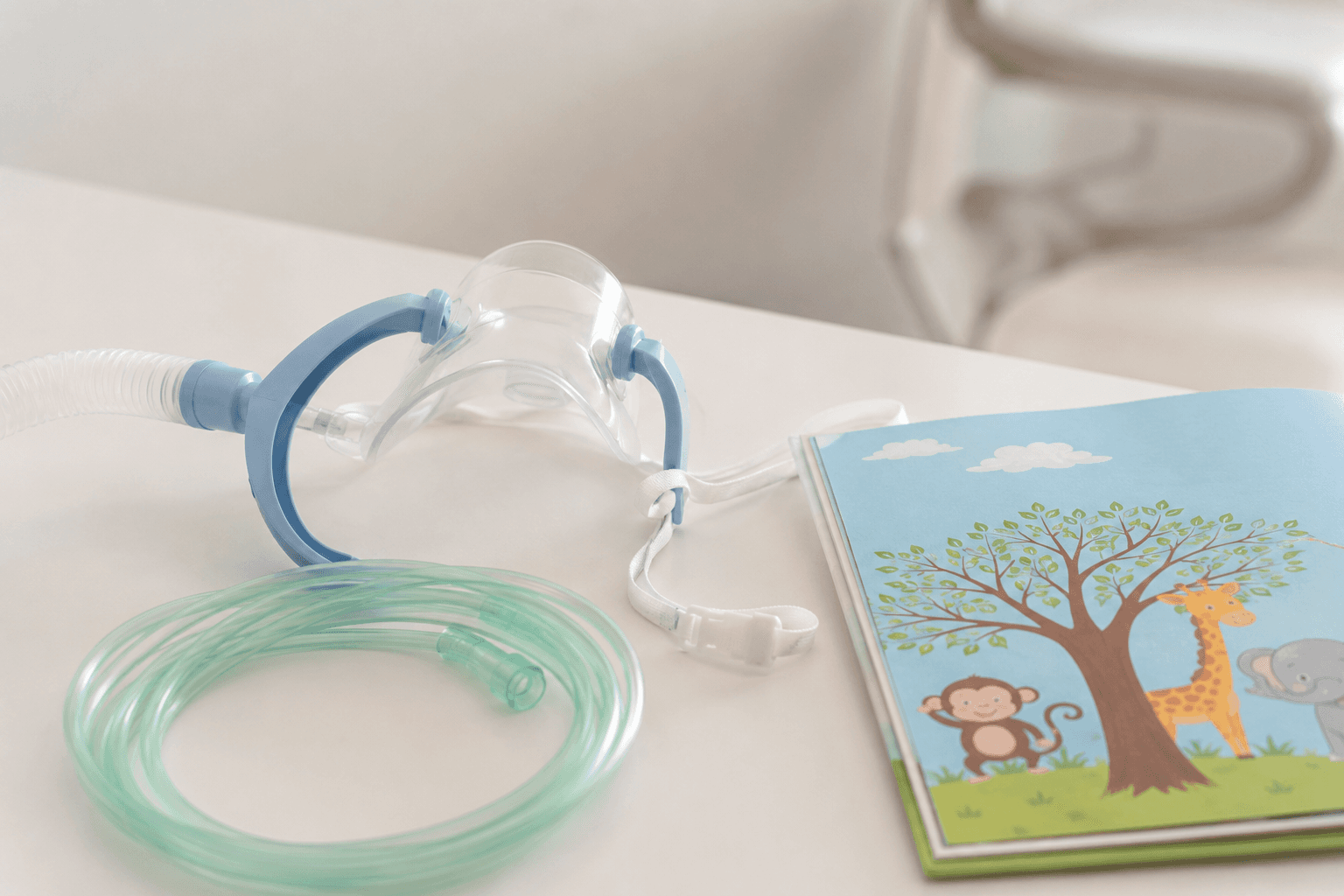
Some children become very anxious when they see the dental chair or hear unfamiliar equipment. Laughing gas sedation, using a mixture of nitrous oxide and oxygen through a small nasal hood, is one option that may help a child relax while remaining awake.
It is not needed or suitable for every child. The dentist will consider medical history, breathing, anxiety, communication and the planned procedure, alongside supportive techniques used in children’s dentistry.

What Is Nitrous Oxide Sedation?
Nitrous oxide is mixed with oxygen and breathed through the nose. It may reduce anxiety and help the body feel more relaxed. The child is generally conscious, able to hear instructions and respond.
It is different from general anaesthesia and does not guarantee complete absence of sensation. Local anaesthetic may still be required. At the end, oxygen is usually given for a period while the effect wears off, followed by an assessment before leaving.
Which Children May Benefit?
A dentist may consider it for a child who:
has mild to moderate dental anxiety
gags or struggles to keep the mouth open because of tension
needs a longer or multi-step procedure
needs help rebuilding confidence after a difficult experience
can breathe through the nose and follow simple directions
Age alone does not determine suitability. For a first visit, a simple introduction and examination may be enough; this guide explains when a child should first visit the dentist.

When Might It Not Be Suitable?
Tell the dentist about:
a cold, blocked nose or difficulty breathing through the nose
relevant respiratory conditions, sinusitis or an acute middle-ear infection
recent ear, nose and throat surgery, or retinal surgery involving an intraocular gas bubble
vitamin B12 deficiency, related metabolic conditions or other history affected by nitrous oxide
inability to tolerate the nasal hood
a procedure requiring deeper sedation or hospital support
Provide a complete medication and medical history. If the child has fever, cough or nasal congestion on the day, contact the clinic for advice.
What Happens During the Appointment?
Pre-treatment assessment — Health, eating instructions and consent are reviewed.
Introduction to the nasal hood — The child is allowed to see and try it using simple language.
Starting the gases — Oxygen is given first, then nitrous oxide is adjusted gradually.
Dental treatment — The team monitors breathing, response and comfort.
Oxygen afterwards — Nitrous oxide is stopped and oxygen is provided.
Recovery check — Alertness, balance and response are assessed before departure.
Sedation does not replace diagnosis. If decay is present, treatment still depends on its depth; parents may find this childhood cavities guide useful.
What Might a Child Feel?
A child may describe warmth, lightness, tingling or relaxation. A small number may feel dizzy, headachy, nauseated or may vomit; nausea and vomiting are among the more common adverse effects. The dentist can adjust or stop the gas according to the child’s response. Follow the clinic’s eating instructions rather than assuming complete fasting is required.
Avoid promising that treatment will be completely painless. A simple explanation such as “the nose mask helps you relax and the dentist will talk to you throughout” is more realistic. Families can also use strategies from this guide to reducing dental anxiety.
How Do Nitrous Oxide, Oral Sedation and General Anaesthesia Differ?
Method | Usual state of consciousness | Key feature |
|---|---|---|
Nitrous oxide | Usually awake and responsive | Inhaled through a nasal hood, with relatively rapid onset and recovery |
Oral sedation | Varies with the medicine and dose | Requires more detailed medical, monitoring and discharge arrangements |
General anaesthesia | Unconscious | Requires an appropriately equipped setting and specialist team |
The choice is not based on which method is “best”, but on the child’s health, anxiety, ability to cooperate and the complexity of treatment.
How Can Parents Prepare Their Child?
Follow the clinic’s eating instructions; do not assume complete fasting is required.
Bring medication and medical information.
Use brief, positive and truthful language.
Do not use dentistry as a punishment or share frightening stories.
Dress the child comfortably and bring a familiar item if allowed.
Follow instructions for rest and food afterwards. Although the effect of nitrous oxide usually wears off relatively quickly, the child still needs a discharge assessment and should follow the dental team’s advice about activities that day.
Regular dental check-ups and professional teeth cleaning may reduce the chance that small problems develop into more complex treatment needs.
Frequently Asked Questions
Is laughing gas the same as general anaesthesia?
No. A child is generally awake and responsive with nitrous oxide. General anaesthesia involves a different level of consciousness, monitoring and medical support.
Will local anaesthetic still be needed?
Possibly. Nitrous oxide mainly supports relaxation and anxiety control. It does not replace local anaesthetic for every procedure.
Will my child fall asleep?
Usually not. Children normally remain conscious. Excessive sleepiness or discomfort would be assessed immediately by the dental team.
Can it be used if my child has a blocked nose?
A blocked nose can prevent effective inhalation through the nasal hood. Contact the clinic before the visit so the dentist can decide whether to postpone.
Is it suitable for every anxious child?
No. Some children respond well to gradual behavioural guidance, while others may need a different sedation plan. Individual assessment is essential.
Final Thoughts
Nitrous oxide may help selected children feel less anxious while remaining awake and able to communicate. Safe use depends on medical assessment, appropriate case selection, monitoring and recovery checks.
If you have noticed any of the situations described above, you are welcome to contact our clinic for a consultation to determine whether further assessment or treatment is needed.

Book an Appointment
Schedule your visit now for personalized care in a comfortable environment. Your journey to a brighter, healthier smile begins here.